Food sits at the center of daily life across Africa. Meals carry history, geography, trade, and social customs that continue in active practice today. When you plan to travel across the continent, food becomes a practical way to understand people, climate, and tradition.
African cooking relies on local crops, seasonal availability, and preparation methods refined over generations. Whether you eat from a roadside grill or at a remote safari camp, food reflects its surroundings with honesty and clarity.
This culinary guide to Africa explains how street food, coastal communities, and safari lodges shape one of the world’s most grounded and enduring food cultures.
Street Food Traditions That Define Urban Life
Street food offers the most direct view into African cooking habits. Vendors prepare meals using techniques passed through families, often with simple equipment and steady routines. In West Africa, evening streets fill with the scent of grilled suya beef, coated in peanut-based spice blends and cooked over open flames. In East Africa, chapati stalls serve layered flatbreads paired with beans, eggs, or slow-cooked meats that suit busy daily schedules.
North African cities feature carts selling msemen flatbreads, harira soup, and stuffed breads designed for quick meals between work and prayer. Southern African streets present boerewors sausages, vetkoek bread, and maize-based snacks sold near markets and transport hubs.
This culinary guide to Africa shows that street food reflects regional crops, climate, and daily rhythm without relying on formal dining spaces.
Regional Dishes Shaped by Geography and Agriculture
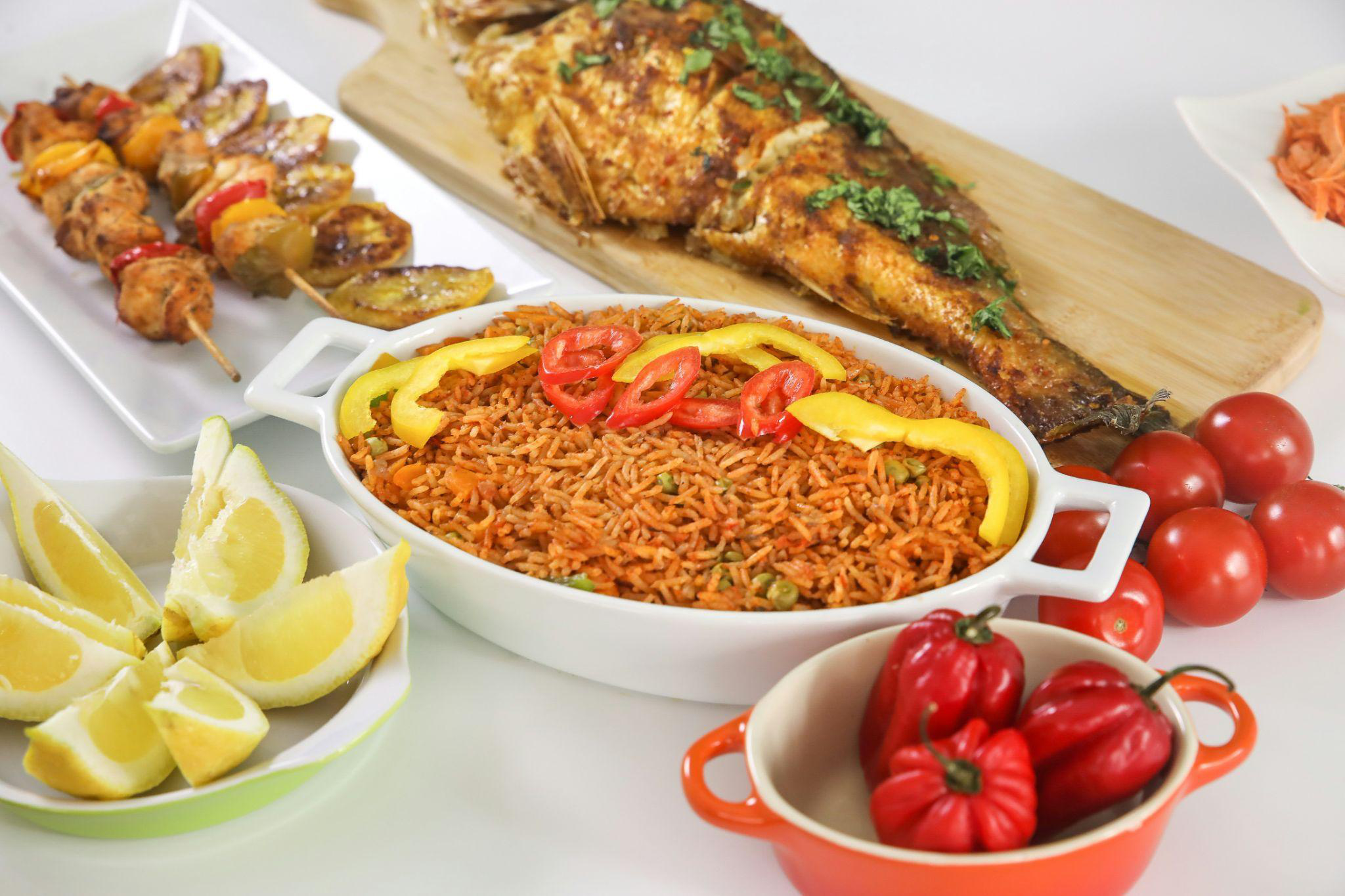
Each African region maintains food customs shaped by its environment. In West Africa, starchy bases such as fufu, pounded yams, rice, and cassava support soups made with palm oil, groundnuts, leafy greens, and peppers. Jollof rice remains a shared cultural marker across several countries, prepared through one-pot methods that suit communal cooking.
East African meals center on ugali, rice, lentils, and grilled meats. Inland areas rely on farming cycles, while coastal regions add coconut milk, seafood, and spice blends influenced by the Indian Ocean trade. North Africa depends heavily on wheat, legumes, and controlled spice use, seen in couscous, tagines, and flatbreads.
Southern Africa relies on maize, sorghum, and slow-cooked stews shared among families. Geography shapes taste, portion size, and meal structure across the continent.
Market Culture and Ingredient Knowledge
Local markets form the backbone of African cooking. Produce, grains, spices, and proteins move quickly from farm to stall to kitchen. You see baskets of tomatoes, chilies, okra, legumes, dried fish, and hand-mixed spice blends sold in measured scoops.
In Ethiopia, spice vendors prepare berbere and mitmita blends fresh. In Zanzibar, cloves, cinnamon, and cardamom reflect centuries of trade history. West African markets sell smoked fish and fermented ingredients that support long storage in warm climates.
Markets are places where cooking knowledge is transferred daily through conversation, observation, and practice.
Coastal Cuisine and Seafood Practices
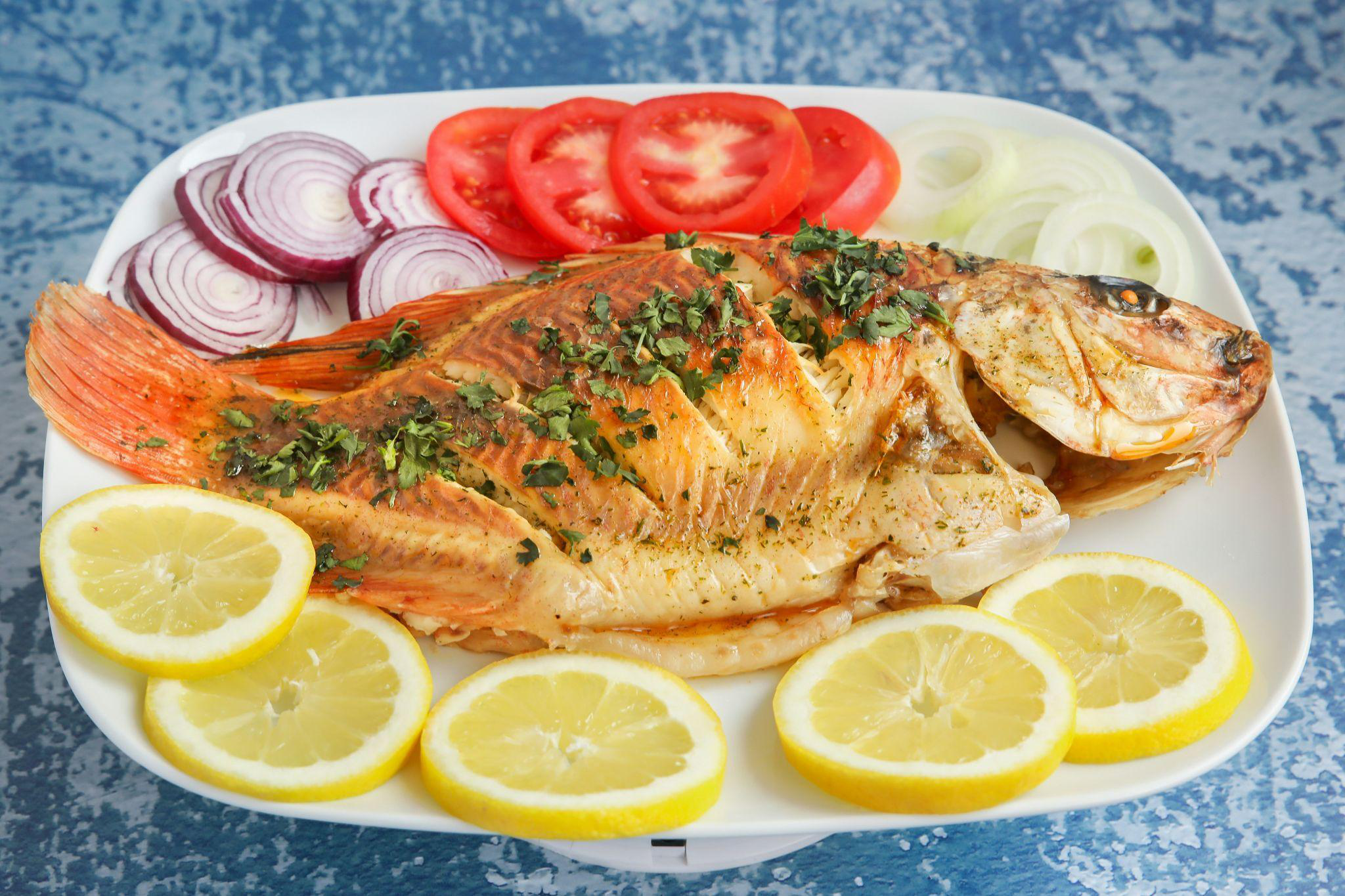
African coastal regions rely heavily on seafood shaped by fishing culture and seasonal access. Along the Swahili Coast, cooks use coconut milk, lime, tamarind, and spices to prepare fish, prawns, and octopus. Grilled seafood appears fresh, paired with rice or flatbreads.
West African coastal cooking uses smoked fish, shellfish, and peppers to build depth and longevity. North African coasts focus on sardines, calamari, and baked fish served with herbs and citrus.
Coastal cooking supports local economies and maintains practical fishing traditions.
Safari Lodge Dining and Modern Presentation
Safari lodges present African ingredients through structured preparation while respecting regional identity. Chefs rely on local produce, free-range meats, and traditional spice profiles while offering plated meals suited to travelers.
Breakfasts often include tropical fruit, baked goods, and egg dishes. Dinners feature slow-cooked meats, vegetables, and familiar starches. Bush dinners add open-air settings with lanterns and grilled food prepared nearby.
Safari dining supports local supply chains while providing comfort after long days outdoors.
Food Experiences Connected to Travel Routes
Food experiences often align directly with travel movement. Long drives between parks include roadside meals that reflect local cooking habits. Cultural visits introduce cooking demonstrations that explain preparation methods and ingredient sourcing.
In South Africa, food experiences pair with wine regions. Across the continent, festivals celebrate harvest seasons, religious calendars, and shared cooking traditions. Food becomes an active part of travel rather than a background detail.
Home Cooking and Communal Meals
Home meals form the foundation of African food culture. Experience dishes meant for sharing rather than individual portions. Large bowls sit at the center of tables or mats, and meals follow customs that reflect respect, age hierarchy, and hospitality.
In Ethiopia, injera replaces utensils, with diners sharing stews from a single platter. In Senegal, families gather around thieboudienne rice and fish. In Kenya and Uganda, vegetable and meat stews pair with starches that support long, active days.
Home cooking strengthens social bonds and preserves food traditions through repetition and routine.
Food as Cultural Orientation During Travel
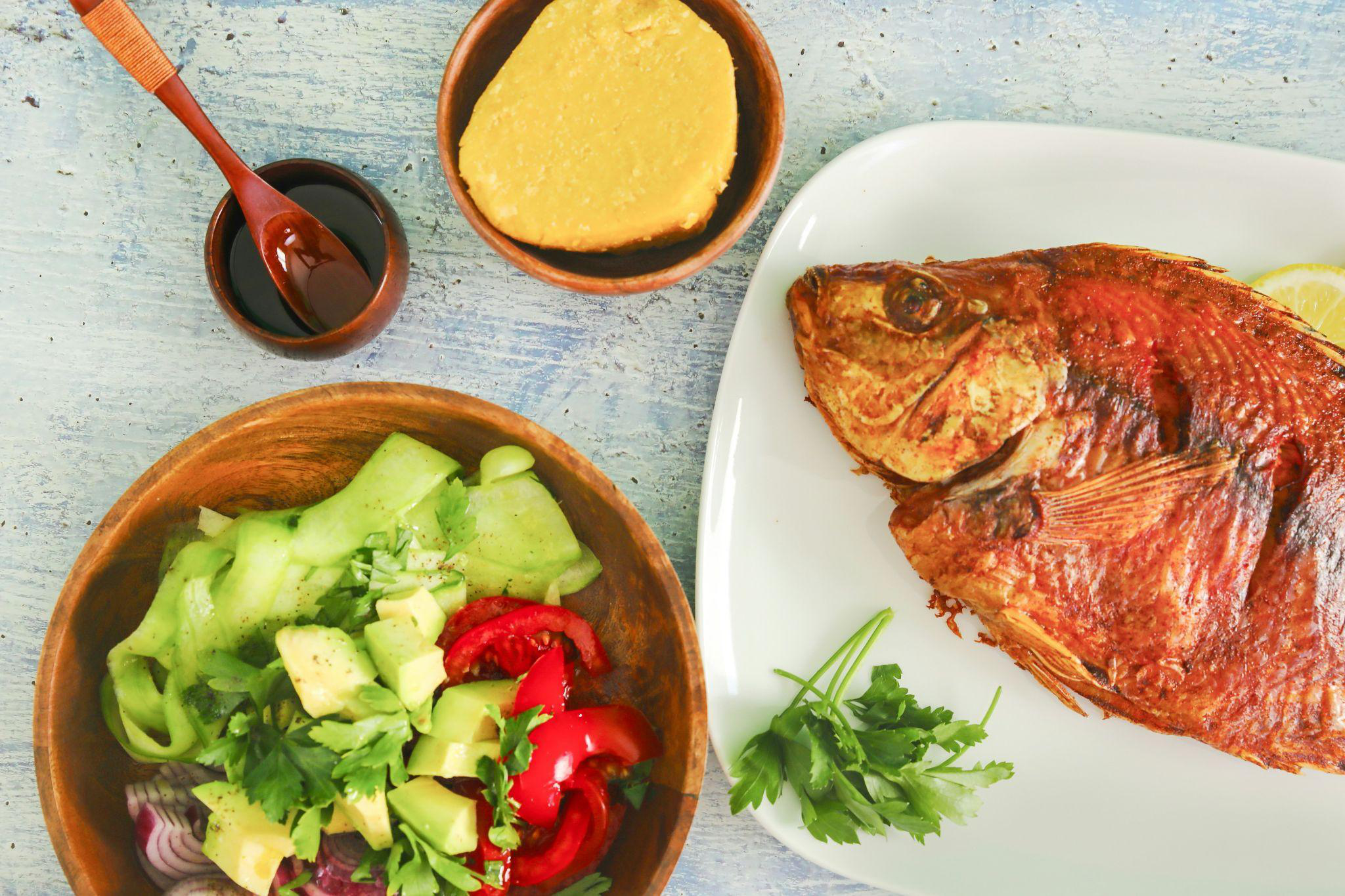
Food offers practical grounding as you move across Africa. Meals signal changes in climate, farming patterns, and daily pace. Ingredients shift with altitude and coastlines, while portion sizes reflect physical demands and work routines. Eating locally prepared food helps you understand how people organize time, labor, and social interaction during everyday life.
Nakuja Expeditions Delivers Luxury African Safaris and Travel Experiences
Experience food as part of thoughtful safari planning. At Nakuja Expeditions, we plan and support premium safari travel across Africa with clear itineraries and experienced guidance. You can book a honeymoon safari or a luxury family safari tour in Tanzania, or a Zanzibar beach and safari tour package with confidence.
From Mount Kilimanjaro climbing tours to Rwanda gorilla trekking tours, each trip follows careful planning and local expertise. Contact Nakuja Expeditions today to begin your African safari.