East Africa is more than just a vacation destination. It’s a living, breathing wildlife epic. On the golden plains of the Serengeti, in the volcanic highlands of Rwanda, and through Uganda’s dense jungles, a cast of extraordinary animals brings the wilderness to life. These are the icons of East Africa, the majestic creatures that define the soul of the safari experience.
Whether you’re chasing the Great Migration on a wildebeest migration safari, climbing Kilimanjaro, or tracking gorillas in the mist, encounters with these animals turn your journey into a story worth retelling forever. Here are the beauties you don’t want to miss:
The Kings of the Savannah: Lions
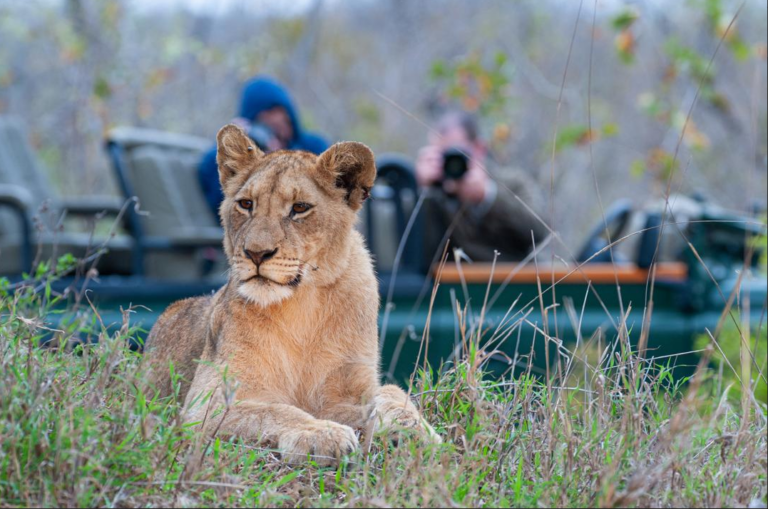
No animal captures the grandeur of East Africa quite like the lion. These apex predators roam the Serengeti, Ngorongoro Crater, and Masai Mara in prides that can include up to 30 individuals.
- Where to Spot Them:Serengeti National Park (Tanzania), Masai Mara (Kenya), Ngorongoro Crater (Tanzania).
- What Makes Them Iconic:Their presence evokes both awe and primal fear. Watching a lioness stalk prey or a male bask in the golden light is a moment you’ll never forget.
Gentle Giants with a Mighty Presence: African Elephants
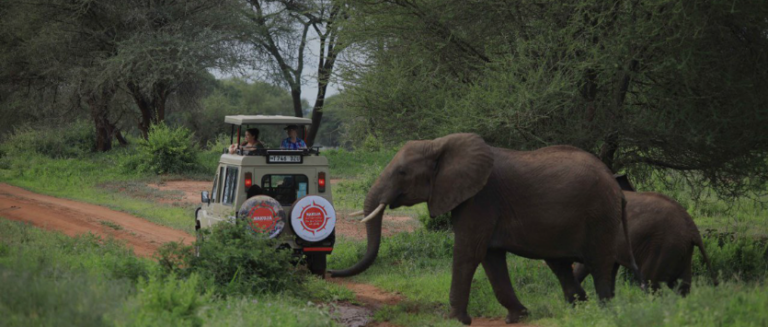
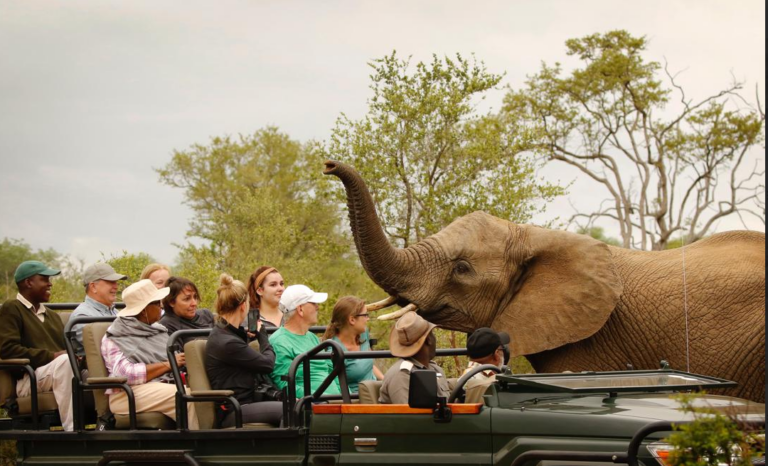
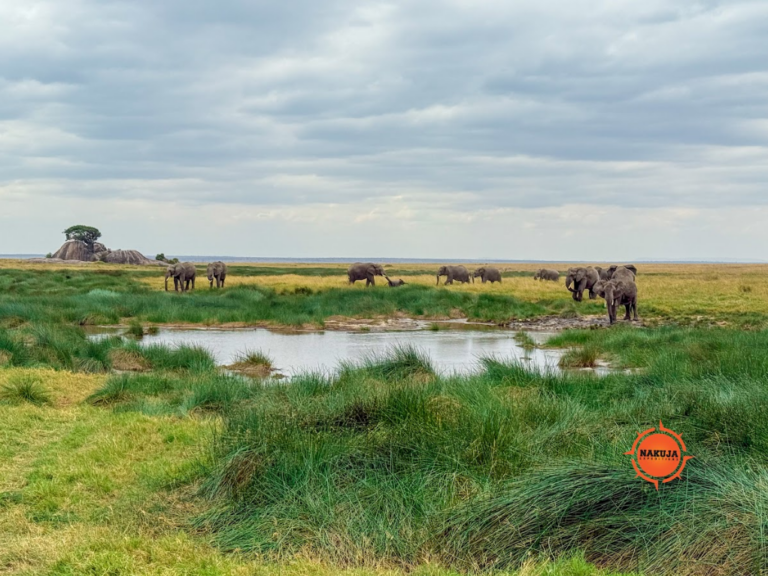
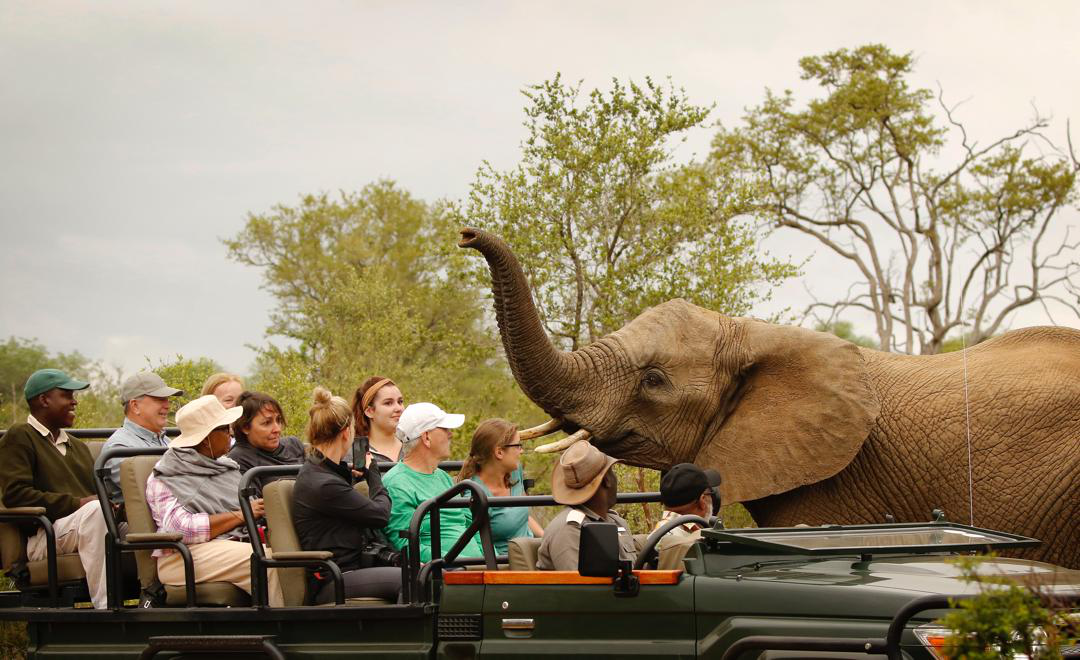
The largest land animals on Earth, African elephants are intelligent, social, and deeply emotional creatures. Seeing a herd amble across a dirt road or splash through a river is a deeply grounding safari moment
- Where to Spot Them:Tarangire National Park and Amboseli (Kenya).
- Did You Know?Elephants communicate using low-frequency rumbles that travel through the ground—sometimes up to several kilometers away.
The Majestic Guardians of the Forest: Mountain Gorillas
For many, the ultimate wildlife experience is a face-to-face encounter with a mountain gorilla. Found only in a few select places, they’re the hidden gems among the icons of East Africa.
- Where to Spot Them:Bwindi Impenetrable Forest (Uganda), Volcanoes National Park (Rwanda).
- Tours:Uganda gorilla trekking tours, Rwanda gorilla trekking tours.
- What Makes Them Iconic:Their rarity, gentle nature, and human-like expressions make the trek into the forest worth every step. They are under the critically endangered list of species.
The Migratory Marvels: Wildebeest
Each year, over 1.5 million wildebeest journey across Tanzania and Kenya in search of fresh grazing. This wildebeest migration safari is one of the world’s most dramatic wildlife spectacles.
- Where to Spot Them:Serengeti (Tanzania) and Masai Mara (Kenya), especially around July–October.
- What Makes Them Iconic:Their movement defines the rhythm of the savannah, attracting predators and thrilling travelers. The migration is defined as the ‘Seven National Wonders of the Natural World’.
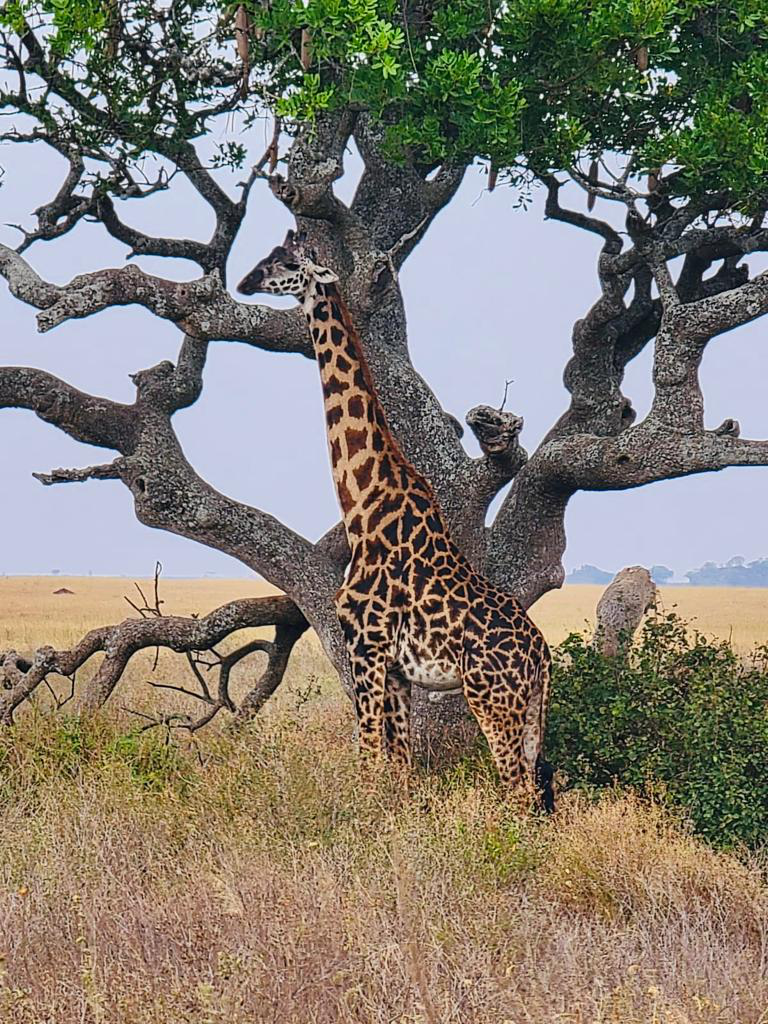
The Towering Beauties: Giraffes
With their long necks and graceful gait, giraffes are often the first animals to capture a traveler’s heart. Their curiosity and calm demeanor make them approachable, photogenic icons.
- Where to Spot Them:Serengeti, Tarangire, and Lake Manyara (Tanzania).
- Fun Fact:The reticulated giraffe, found in northern Kenya, has the most distinct, lace-like pattern of all giraffe subspecies.
Striped Sentinels of the Plains: Zebras
Zebras often travel alongside wildebeest, providing contrast and confusion to predators. Their striped coats are like fingerprints, unique to each animal.
- Where to Spot Them:Almost every major park in East Africa.
- What Makes Them Iconic:Their collective motion across the plains creates mesmerizing black-and-white rivers in the grass.
The Stealthy Shadows: Leopards
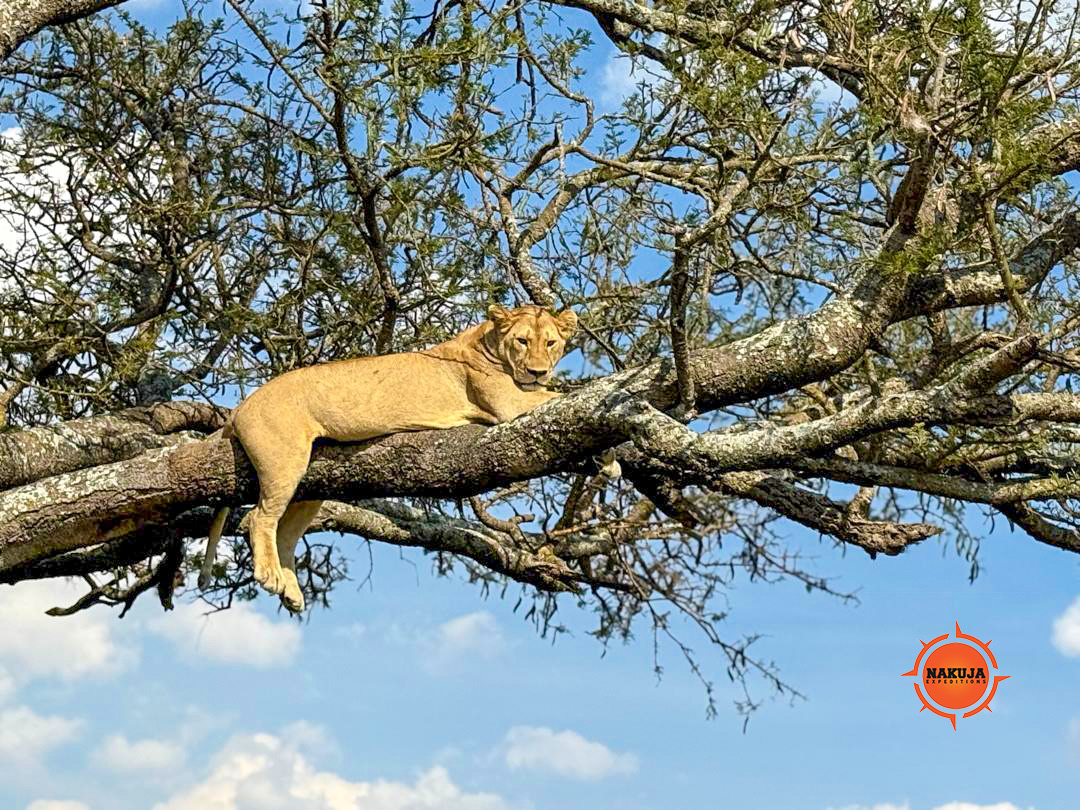
Leopards are elusive, powerful, and mysterious. Often spotted lounging in acacia trees or slinking through riverine forests. Catching sight of one is a mark of safari luck.
- Where to Spot Them:Serengeti and Lake Manyara in Tanzania, Ishasha sector of Queen Elizabeth National Park (Uganda).
- What Makes Them Iconic:Their solitary nature, stunning coats, and stealthy prowess make every encounter thrilling.
The Endangered Titans: Rhinos
Both black and white rhinos once roamed freely across East Africa, but due to poaching, they’re now found in carefully protected reserves.
- Where to Spot Them:Ngorongoro Crater (Tanzania), Lake Nakuru and Ol Pejeta (Kenya).
- What Makes Them Iconic:As critically endangered animals, spotting a rhino is both rare and deeply moving. They can weigh up to 3 tonnes and even hold cultural value.
River Giants: Hippos
Spend some time by a waterhole or riverbank, and you’re likely to see dozens of these massive, semi-aquatic creatures. Though often lounging lazily, hippos are deceptively fast and fiercely territorial.
- Where to Spot Them:The Mara and Grumeti Rivers, Lake Naivasha, and the Kazinga Channel (Uganda).
- Pro Tip:A boat safari offers a closer look. Perfect for families on a luxury family safari tour in Tanzania.
- Fun Fact: Hippos are actually closely related to whales and dolphins.
The Pink Parade: Flamingos
In certain alkaline lakes, the skies and water shimmer with the color of thousands of flamingos. Their synchronized movement and high-pitched calls create a surreal safari scene.
- Where to Spot Them:Lake Natron (Tanzania), Lake Nakuru (Kenya).
- What Makes Them Iconic:Their presence transforms landscapes into works of art.
The Speed Demons of the Savannah: Cheetahs
Built for speed, cheetahs are the fastest land mammals, capable of reaching 112 km/h in seconds. Watching one hunt is witnessing pure evolutionary brilliance.
- Where to Spot Them:Serengeti and Namiri Plains (Tanzania).
- What Makes Them Iconic:Their sleek bodies and bold black tear lines distinguish them from other big cats and their speed leaves visitors awestruck.
The Misunderstood Scavengers: Hyenas
Though often portrayed as villains, hyenas are intelligent and highly efficient hunters. Their complex social structure rivals that of primates.
- Where to Spot Them:Found in most major parks and often heard before they’re seen.
- Did You Know?Female hyenas dominate the clan and are larger than males.
Colobus Monkeys and Tree Dwellers
Beyond the savannah, East Africa’s forests are alive with monkeys, baboons, and colorful birds. Colobus monkeys, with their striking black-and-white fur, are especially captivating.
- Where to Spot Them:Rwanda’s Nyungwe Forest, Tanzania’s Udzungwa Mountains.
- Pair With:Rwanda adventure trips and hiking expeditions for immersive forest trekking.
Reptiles, Birds, and the Smaller Stars
Chameleons, secretary birds, hornbills, and dik-diks all contribute to the vibrant ecosystem of East Africa. Don’t overlook the smaller residents! These lesser-known creatures may be small, but they enrich every safari moment with color, movement, and surprise.
And when night falls, the bush transforms into a living symphony. As you enjoy a lantern-lit dinner under the stars, you’ll hear the rustle of geckos on nearby rocks, the whoop of distant hyenas, and the rhythmic chirping of night frogs. Reminding you that even after the big game has moved on, the wild is still very much alive.
Why These Wildlife Icons Matter
Seeing the icons of East Africa in their natural environment offers more than a checklist of species. It’s a reconnection with the primal rhythm of life, raw, unscripted, and magnificent. From the thunder of hooves during a wildebeest crossing safari to the soft grunt of a silverback gorilla, each animal encounter tells a story only East Africa can offer.
Best Ways to Encounter Them
We offer expertly crafted safaris at Nakuja Expeditions that maximize your chances of seeing these animals up close including:
- Luxury vacation packages in Tanzaniafor game drives across the Serengeti and Ngorongoro.
- Mount Kilimanjaro trekking and climbing tourscombined with post-hike wildlife viewing.
- Honeymoon safari tours in Tanzaniatailored for romantic, exclusive sightings.
- Uganda Gorillas and Kilimanjaro climbing tourfor a blend of trekking and wildlife immersion.
Start Your Journey Now, The Icons Are Waiting
East Africa’s wildlife is not just seen, it’s felt. Each sighting brings a rush of wonder and awe. From fierce predators to shy forest dwellers, the icons of East Africa are ambassadors of a region where life still moves to ancient rhythms.
So pack your camera, your curiosity, and your sense of wonder. The icons are calling, and your journey with Nakuja Expeditions is ready to begin. Book now!