Planning an African expedition often starts with one big question: when should you go? Weather patterns, wildlife movement, rainfall, and even crowd levels shift throughout the year, and timing can shape your entire experience. If you’re comparing safari destinations across East and Southern Africa, understanding seasonal rhythms helps you choose the moments that feel most alive, most personal, and most rewarding.
This month-by-month guide helps you find the best time to travel to Africa depending on where you want to go and what you want to see. From dramatic wildlife migrations to misty mountain gorilla encounters and sunny coastal escapes, each destination has its own rhythm.
Understanding Africa’s Travel Seasons at a Glance
Across much of East and Southern Africa, the year typically divides into dry seasons and rainy seasons. Dry months often bring excellent wildlife viewing because animals gather around water sources and vegetation thins out. Rainy months transform landscapes into lush green panoramas, with fewer visitors and incredible birdlife.
June through October is widely considered the classic safari window across many regions. January through March can also be wonderful, especially for photography and newborn wildlife. April and May often bring heavier rains in East Africa, while Southern Africa stays pleasant longer into early fall.
So when people ask about the best time to travel to Africa, the honest answer is that it depends on where you’re headed and what you hope to experience.
Tanzania: Wildlife Drama and Seasonal Beauty
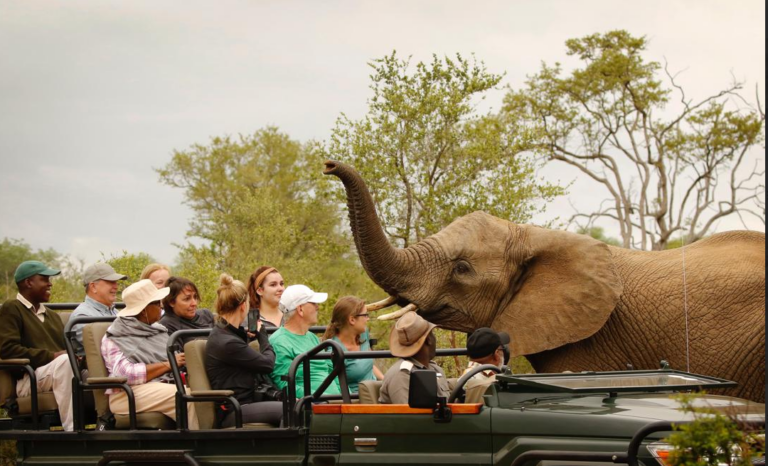
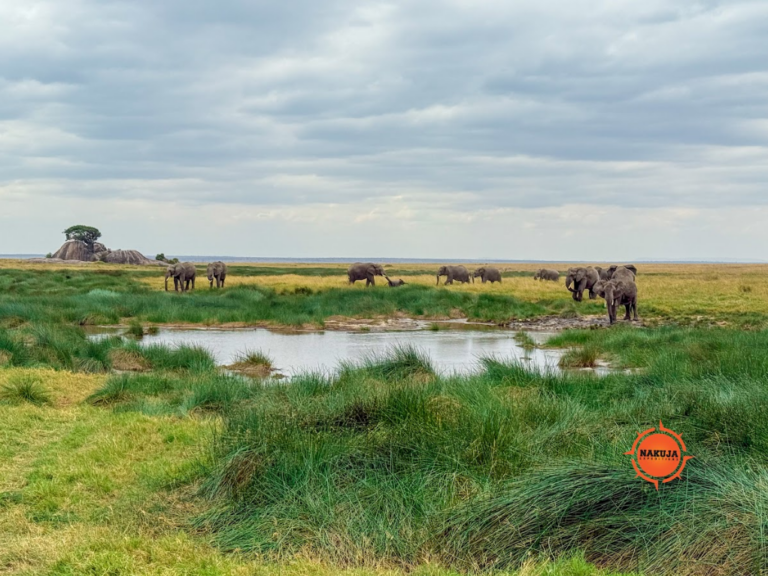
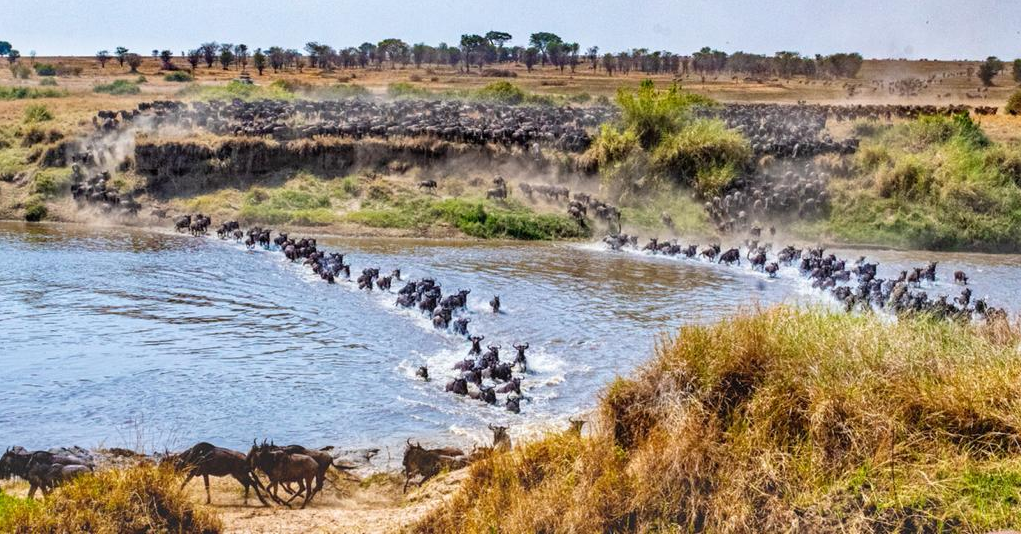
Few places feel as cinematic as Serengeti National Park. Timing your visit here often revolves around wildlife movement, especially the famous migration of wildebeest and zebra that shifts through the ecosystem year-round.
January to March
This is calving season in the southern Serengeti. Thousands of newborn animals arrive within weeks. Predators are highly active, which makes for powerful wildlife viewing and excellent photography.
April to May
Heavy rains arrive. Landscapes turn intensely green, and visitor numbers drop. Some roads become muddy, but the atmosphere feels peaceful and raw.
June to October
The dry season dominates this time of the year. Wildlife gathers near rivers and waterholes. Cooler temperatures and clear skies make this one of the most popular safari windows.
November to December
Short rains return briefly, refreshing the landscape. Migratory herds begin moving south again.
If you’re combining safari with scenic landmarks, the dramatic walls of Ngorongoro Crater offer year-round wildlife viewing, though mornings can be misty and magical in cooler months.
For many travelers, Tanzania strongly defines the best time to travel to Africa, especially if big wildlife encounters are the priority.
Kenya: Classic Safari Timing and Open Plains
Kenya’s safari calendar mirrors its southern neighbor in many ways, but it offers its own distinctive rhythm. The open grasslands of Maasai Mara National Reserve deliver some of Africa’s most iconic wildlife viewing.
January to March
Warm and relatively dry. Excellent visibility for spotting big cats across golden plains.
April to May
Long rains arrive. The scenery becomes lush and dramatic, though travel logistics can be slower.
July to October
Peak safari season. Herds move through the Mara ecosystem, and predator sightings are frequent. Expect high demand and lively camps.
November to December
Short rains pass through quickly. Wildlife remains active, and landscapes glow green again.
Kenya’s mix of open savannah, vibrant local culture, and reliable wildlife viewing makes it easy to see why travelers often consider it when searching for the best time to travel to Africa.
Rwanda: Misty Mountains and Gorilla Encounters
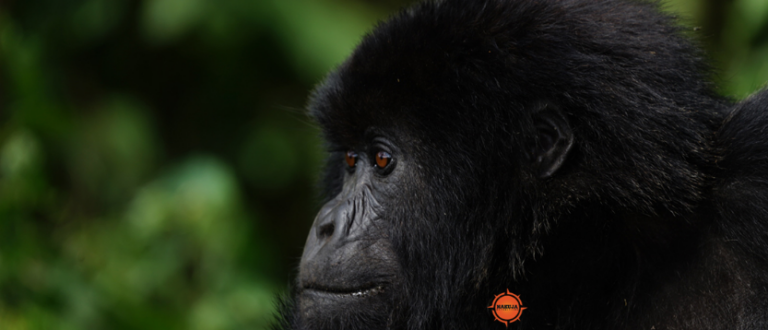
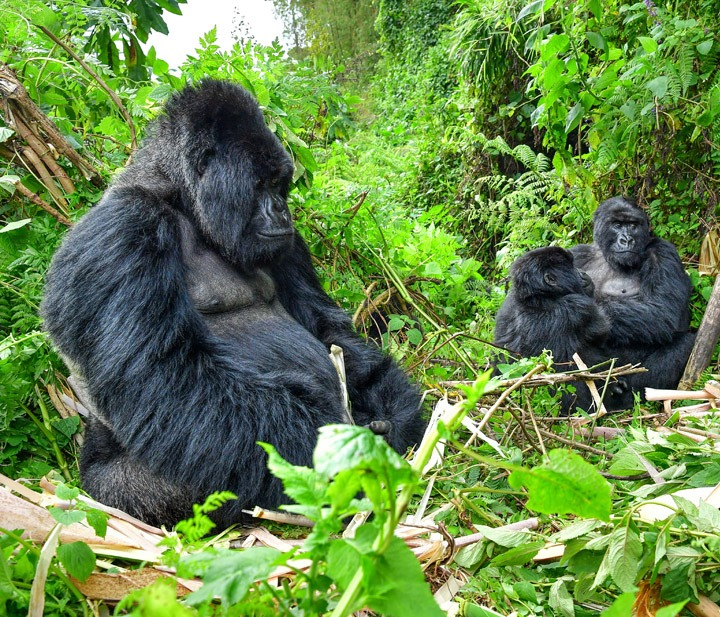
Rwanda feels different from the sweeping plains of safari country. Its magic lives in forested volcanic mountains where rare primates thrive. Trekking in Volcanoes National Park is the highlight for many visitors.
June to September
Dry conditions make hiking easier. Trails are less slippery, and visibility in the forest improves. This is the most popular gorilla trekking season.
December to February
Another relatively dry window. Forests remain lush but manageable, and trekking conditions are comfortable.
March to May and October to November
Rainfall increases. Forests become intensely green and atmospheric, but trekking can be physically demanding due to muddy terrain.
If gorilla trekking is your main goal, Rwanda’s dry months often align with what many consider the best time to travel to Africa for primate encounters.
Uganda: Wild Forests and Diverse Landscapes
Uganda offers one of the most varied landscapes in East Africa, from wetlands to dense rainforest. The highlight for many is tracking gorillas in Bwindi Impenetrable National Park, where ancient forest blankets steep hillsides.
June to September
Dry season. Trails are easier to navigate, and wildlife viewing improves in many regions.
December to February
Another excellent dry period. Temperatures are warm but comfortable for trekking and safari drives.
March to May and October to November
Rainy seasons bring fewer visitors and dramatic green scenery. Birdwatchers especially love this time of year.
Uganda’s quieter feel and rich biodiversity make it a compelling choice for travelers looking beyond traditional safari routes while still chasing the best time to travel to Africa for unforgettable wildlife.
South Africa: Year-Round Variety and Regional Differences
South Africa offers something unique. Its seasons vary significantly depending on where you go, so timing depends on your travel style.
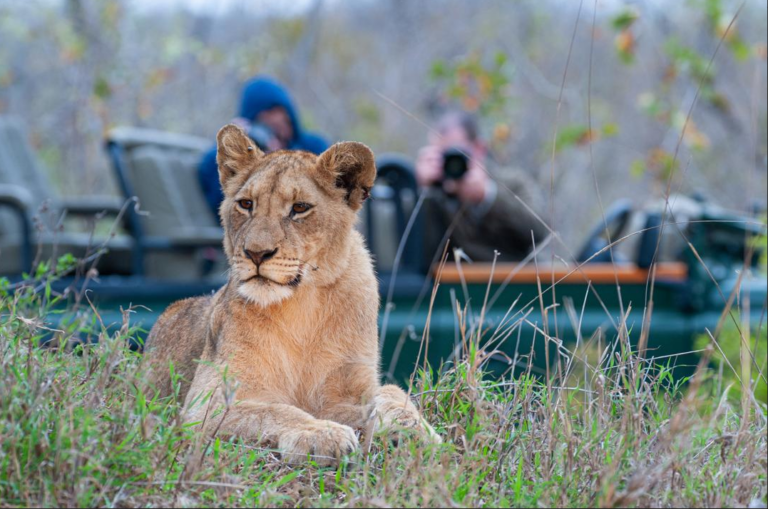
For classic wildlife viewing in Kruger National Park, the dry winter months are ideal.
May to September
Cooler temperatures and sparse vegetation make animals easier to spot. Morning game drives can be chilly, but sightings are excellent.
Meanwhile, coastal destinations follow a different rhythm.
In Cape Town, summer brings long sunny days and lively beaches. Nearby landmarks like Table Mountain offer clear panoramic views when the winds are calm.
November to March
Warm, vibrant, and perfect for outdoor exploration, wine regions, and ocean scenery.
Because South Africa spans such diverse climates, it often fits into discussions about the best time to travel to Africa, no matter the season.
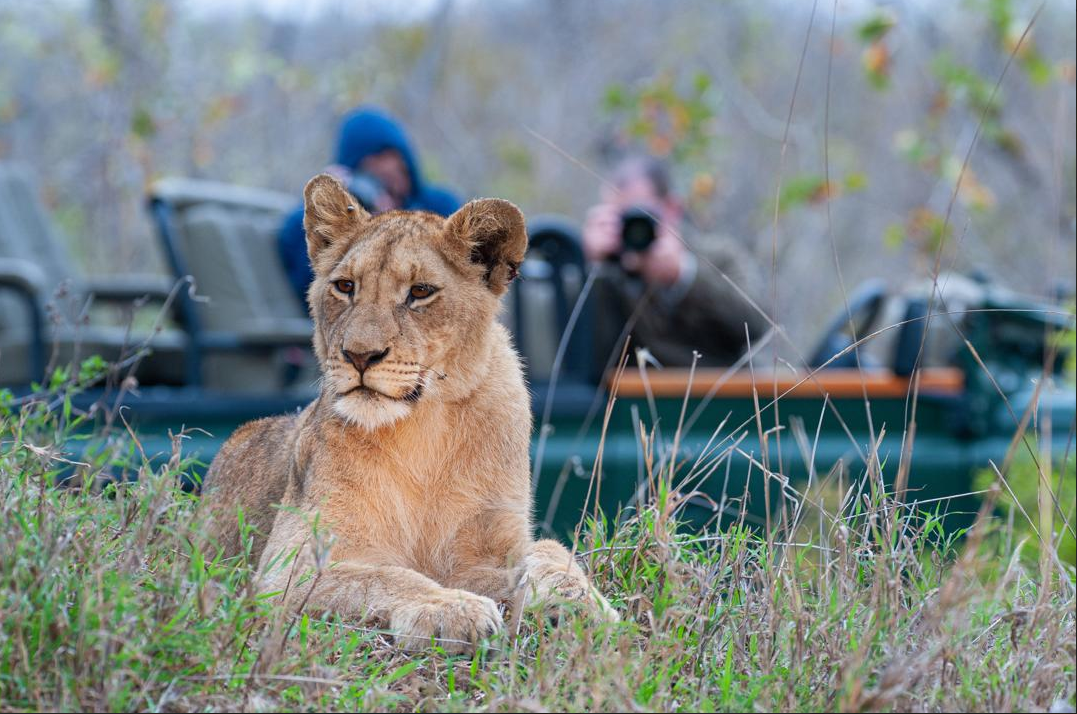
At Nakuja Expeditions, we design journeys around your rhythm and passions. Whether you’re planning a honeymoon safari in Tanzania, a luxury safari in Kenya, or adventure trips and hiking expeditions in Rwanda, we craft fully customized multi-country experiences that blend iconic wildlife, meaningful encounters, and refined comfort across Africa.
Reach out to us to help you plan the best time to travel to Africa according to your requirements.