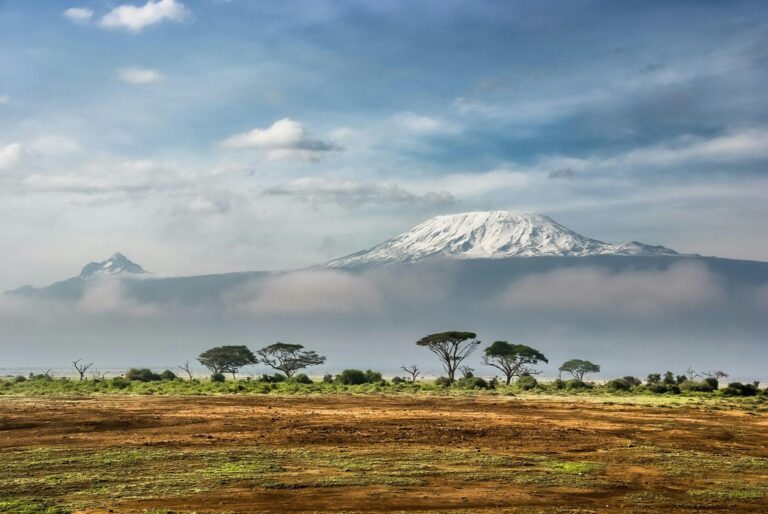
Mount Kilimanjaro rises as Africa’s highest peak and attracts trekkers from across the world. While no technical climbing is required, the mountain presents physical and mental challenges that vary by route. This route-by-route guide explains how altitude, trail conditions, and ascent profiles affect difficulty, helping trekkers select a route that matches fitness level and prior trekking experience.
Understanding Kilimanjaro’s Core Challenges
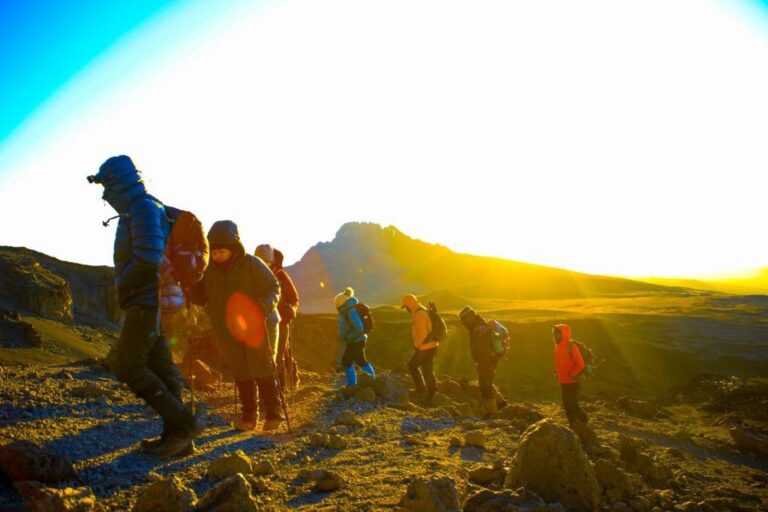
The main challenge on Mount Kilimanjaro comes from altitude rather than steep climbing. Rapid elevation gain reduces oxygen availability, which can affect stamina and sleep. Trail surfaces range from compact dirt to loose scree near the summit. Weather changes quickly, with cold nights and strong winds at higher camps. Any route-by-route guide must account for how each path manages altitude exposure and daily elevation gain.
Marangu Route Difficulty
The Marangu Route follows a gradual slope and uses hut accommodation rather than tents. Trails remain wide and well-established, which reduces footing issues. However, the shorter itinerary limits acclimatization time. This factor increases altitude stress despite moderate trail conditions. Marangu often suits trekkers with limited camping experience but strong cardiovascular fitness.
Machame Route Difficulty
The Machame Route includes steeper sections and longer daily hikes. Trekkers face rocky paths and significant elevation changes. This route follows a climb-high, sleep-low pattern that supports acclimatization. Physical demand remains higher than Marangu, but success rates improve due to better altitude adjustment. In this route-by-route guide, Machame fits trekkers with prior hiking experience and solid endurance.
Lemosho Route Difficulty
The Lemosho Route offers a longer itinerary with a gradual ascent. Trail conditions remain manageable, though daily distances can feel demanding. The extended schedule allows more time at moderate altitudes before higher camps. This route supports strong acclimatization and steady pacing. Lemosho often suits trekkers who value preparation time and consistent physical output.
Rongai Route Difficulty
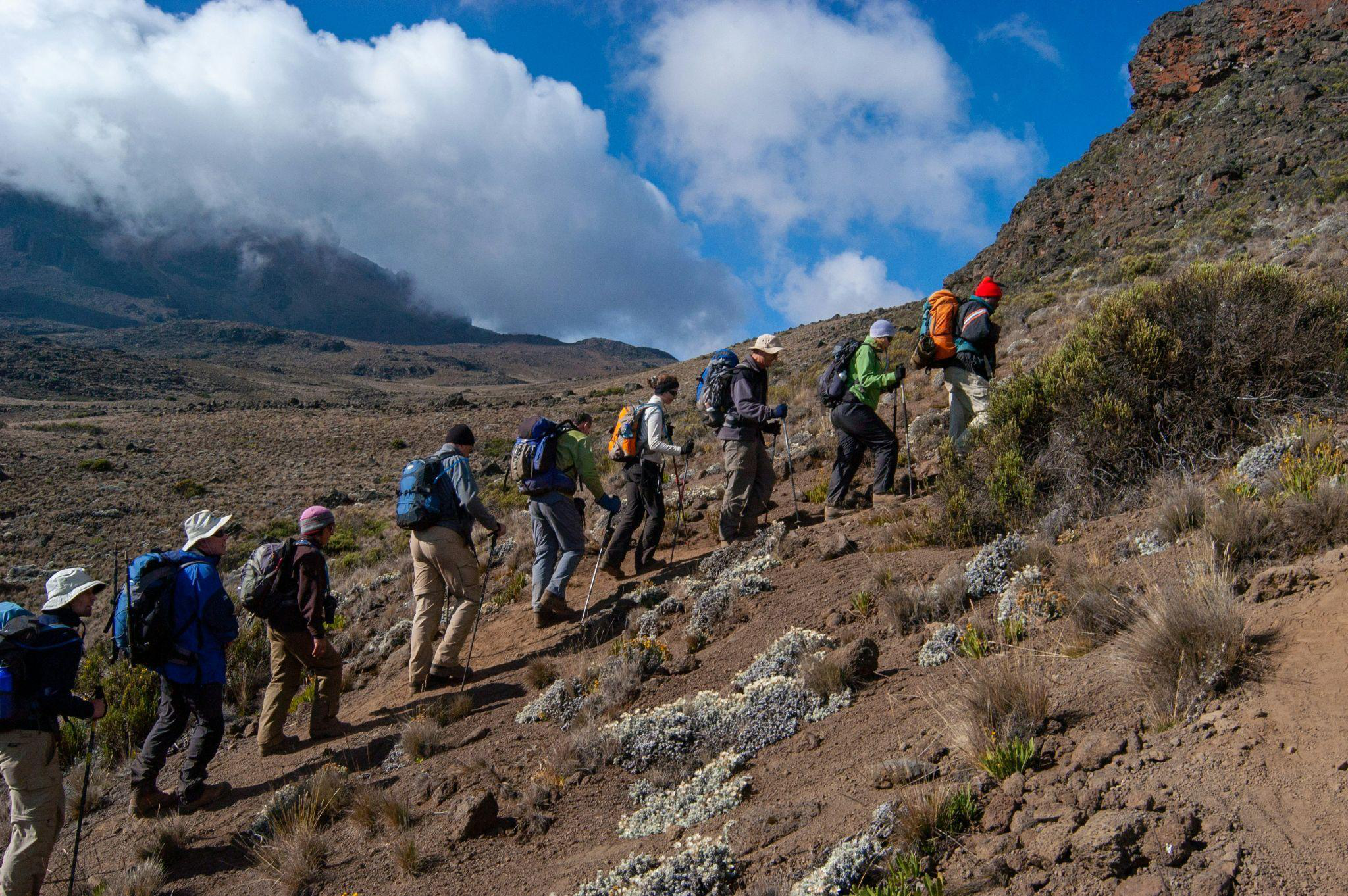
The Rongai Route approaches Kilimanjaro from the north and receives less foot traffic. Trails remain drier and less steep in the early stages. Later sections merge with the Marangu descent route. The ascent profile stays steady, though acclimatization days remain fewer than Lemosho. Rongai fits trekkers seeking quieter paths with moderate physical demand.
Umbwe Route Difficulty
The Umbwe Route presents the steepest and most direct ascent. Trekkers face narrow ridges and rapid elevation gain. Limited acclimatization time increases altitude risk. This route suits experienced trekkers with strong physical conditioning and prior high-altitude exposure. Within this route-by-route guide, Umbwe ranks as the most demanding option.
Choosing the Right Route
Route selection should reflect fitness level, hiking background, and altitude tolerance. Longer routes support gradual adjustment, while shorter routes require stronger resilience. Training, pacing, and rest habits influence outcomes across all routes.
Planning Kilimanjaro Climbs with Nakuja Expeditions
We help trekkers choose routes that align with fitness goals and travel plans. Nakuja Expeditions supports Mount Kilimanjaro trekking and climbing tours, alongside experiences such as a honeymoon safari in Tanzania, a luxury family safari tour in Tanzania, and a Uganda gorilla and Kilimanjaro climbing tour.
Contact us today to plan your next South Africa adventure trip and outdoor activities with confidence!