Solo travel to Africa offers personal freedom, cultural awareness, and meaningful self-reliance. When you travel alone, you control your schedule, budget, and priorities. This guide supports travelers interested in independent exploring by offering clear, practical advice for safety, planning, transportation, and cultural conduct.
With preparation and informed decision-making, solo travel across Africa becomes structured, rewarding, and manageable.
Preparing for Solo Travel in Africa
Preparation forms the foundation of successful solo travel. You should begin by researching visa rules, entry requirements, and health regulations for each country you plan to visit. African nations apply different visa systems, including visa-on-arrival, e-visas, and embassy-issued permits. You should confirm requirements through official government sources.
For independent exploring, preparation also includes understanding climate patterns, local holidays, and peak travel seasons. Weather affects road access, wildlife viewing, and transport schedules. Planning around these factors reduces uncertainty and helps you set realistic expectations for daily movement.
Safety Awareness and Personal Responsibility
Safety planning supports confidence rather than restriction. You should choose accommodation in well-reviewed areas and confirm security features such as a staffed reception and controlled entry. You should share travel plans with a trusted contact and store copies of documents in digital and physical formats.
During independent exploring, awareness matters more than fear. You should remain alert in crowded areas, limit the display of valuables, and avoid walking alone at night in unfamiliar districts. Local advice from hotel staff and guides often provides reliable insight into safe movement patterns.
Selecting Destinations Suitable for Solo Travelers
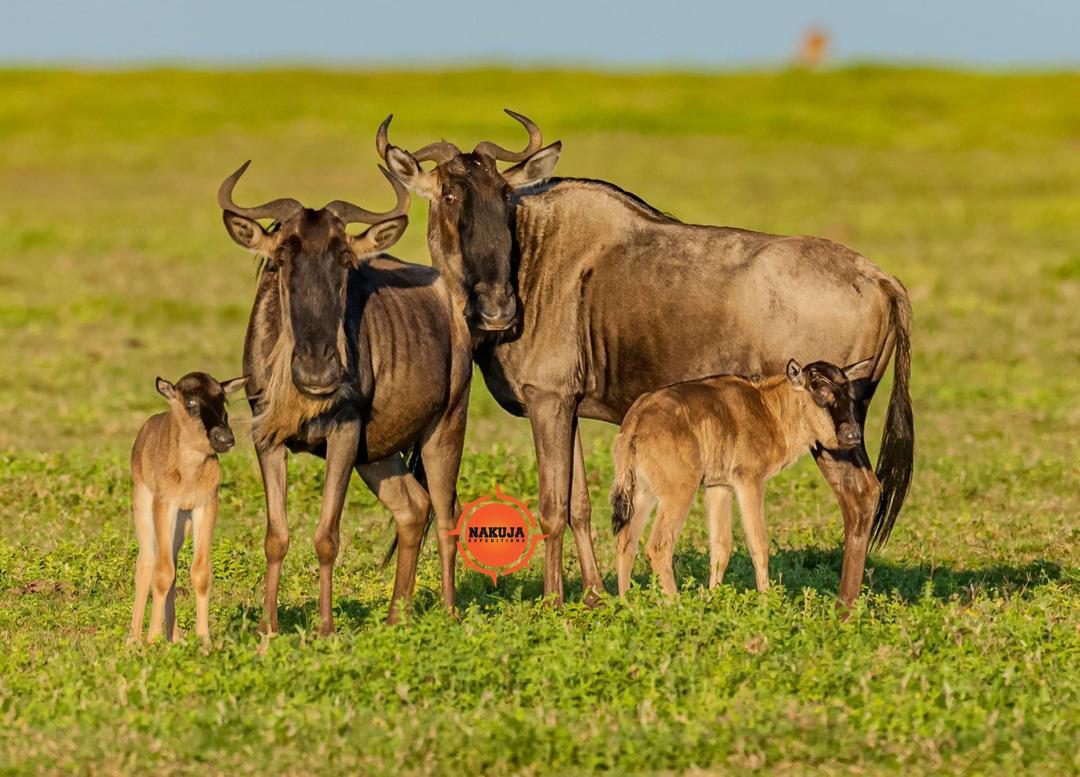
Africa offers several destinations that support solo travel through established tourism systems and well-managed safari operations. Countries such as Tanzania, Rwanda, Kenya, Uganda, and South Africa maintain reliable infrastructure, trained guides, and organized wildlife tourism.
These destinations support activities such as guided game drives, walking safaris with rangers, gorilla trekking permits, and conservancy-based wildlife viewing that operate on fixed schedules and clear safety protocols. Major cities near safari regions also provide medical facilities, communication access, and accommodation options suitable for solo travelers.
For independent exploring, you may choose destinations that combine structured safari activities during the day with relaxed personal time in the evenings. National parks, private reserves, and conservancies allow you to join small group game drives, birdwatching excursions, and conservation walks without committing to long group itineraries.
Transportation Planning and Mobility
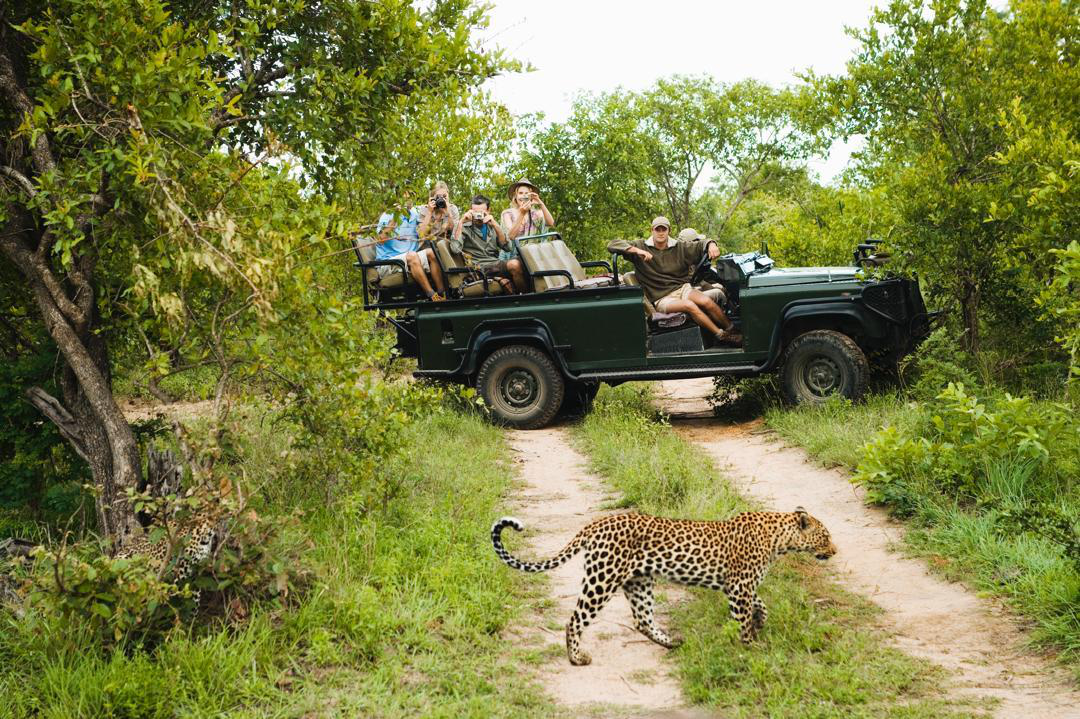
Transportation planning affects safety and comfort. You should prioritize domestic flights and licensed bus operators for long-distance travel. Booking tickets in advance helps manage timing and cost. In cities, registered taxis and ride-hailing services offer predictable pricing and route tracking.
For independent exploring, day travel usually works better than overnight transport. Rural travel requires planning return options. You should confirm schedules locally, as published timetables may change. Clear communication with drivers and service providers supports smoother transitions. For safari travel, transport is typically organized through lodges or operators using scheduled game drives and regulated vehicles that follow park rules.
Cultural Awareness and Respectful Conduct
Cultural awareness shapes your experience as a solo traveler. Many African cultures value greetings and polite acknowledgment. You should greet people before asking questions or making requests. This approach builds trust and positive interaction.
During independent exploring, modest clothing reflects respect, particularly in rural communities and religious settings. You should ask permission before photographing people and public spaces. Learning basic local phrases often leads to warmer interactions and practical assistance.
Health Planning and Physical Care
Health preparation supports steady travel. You should consult a travel clinic for recommended vaccinations and malaria prevention when applicable. Carry prescribed medication in original packaging and keep copies of prescriptions.
For independent exploring, food and water awareness matter. You should follow local guidance on drinking water and choose clean, busy food vendors. Rest days support physical recovery, especially in warm climates or high-altitude regions. Listening to your body helps maintain consistency throughout your trip.
Managing Budget and Daily Expenses
Budget control allows flexibility. You should separate daily spending funds from emergency reserves. Using a mix of cash and cards reduces access issues. Inform your bank before travel to prevent card blocks.
With independent exploring, advance booking for accommodation and transport often reduces costs. Local markets and neighborhood restaurants offer affordable meals while supporting community businesses. Tracking expenses daily helps you adjust spending without stress.
Communication and Staying Connected
Reliable communication supports safety and logistics. You should purchase a local SIM card or an international data plan upon arrival. Mobile coverage remains strong in many urban and regional areas. Messaging apps allow communication with accommodation providers and service operators.
For independent exploring, communication offers reassurance without limiting autonomy. Sharing your general location with a trusted contact adds security while preserving independence. Internet access also supports navigation, booking adjustments, and information checks.
Building Confidence Through Structure
Confidence grows through structure rather than spontaneity alone. You should accept that delays and changes occur. Weather, road conditions, and local events may affect schedules. Flexibility allows calm responses to change.
Through independent exploration, you gain problem-solving skills and cultural understanding. You learn to observe, ask questions, and adjust plans respectfully. Solo travel across Africa rewards patience, preparation, and thoughtful engagement with local systems.
Safari Experiences Designed for Solo Travelers
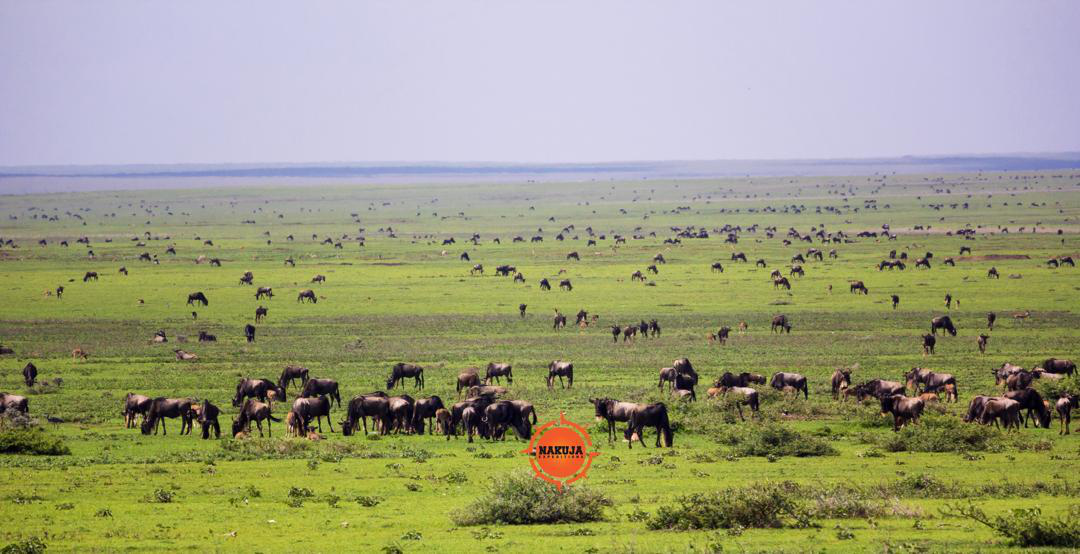
Safari regions often operate through guided systems that support safety and access. Game drives, walking safaris, and wildlife tracking usually require certified rangers and fixed schedules. During independent exploring, you can join half-day or full-day safari activities while keeping personal control over your time outside the reserve.
You benefit from local expertise during wildlife viewing, then return to private accommodation or independent plans afterward. This structure supports responsible wildlife access without limiting personal travel freedom.
Travel Support with Nakuja Expeditions
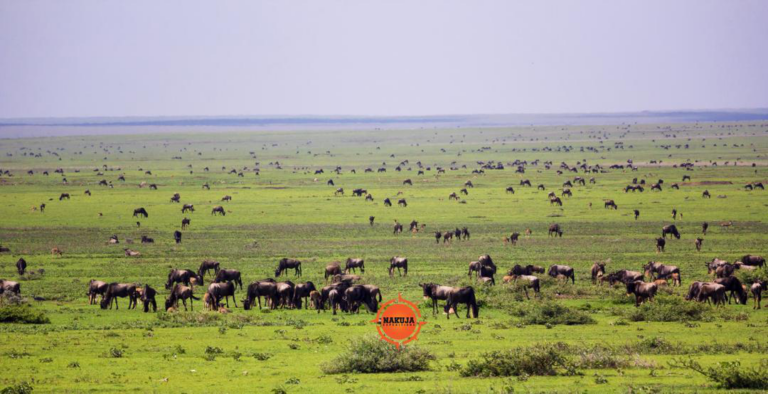
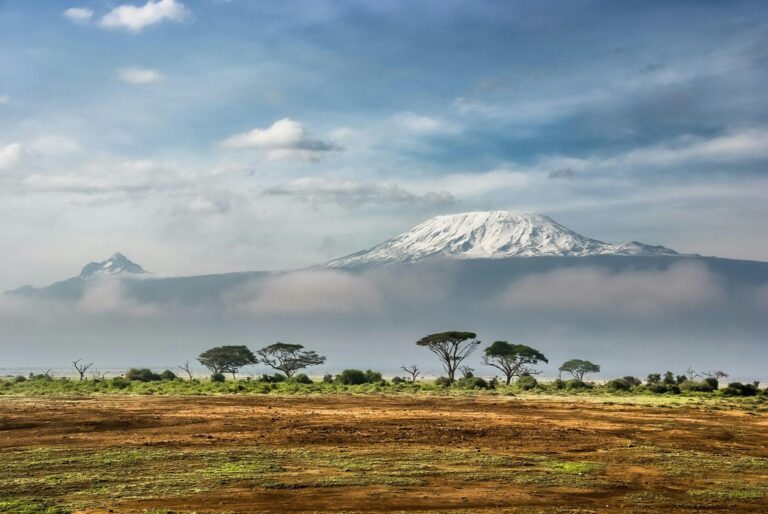
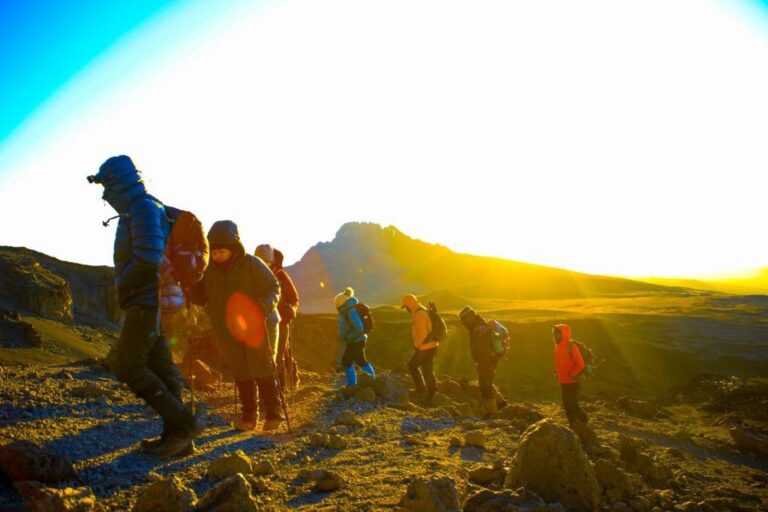
Solo travelers seeking structured guidance can benefit from professional planning support. At Nakuja Expeditions, we assist with experiences such as a honeymoon safari in Tanzania, a luxury family safari tour in Tanzania, and a Zanzibar beach and safari tour package, along with Mount Kilimanjaro trekking and climbing tours. Travelers may also enjoy Rwanda gorilla trekking tours and seasonal highlights like the wildebeest migration safari.
Contact us today to plan a well-organized African experience that respects your independence and travel goals!