Wildlife tourism offers meaningful encounters with animals in natural settings, but responsibility must guide every interaction. Ethical choices protect animals, preserve ecosystems, and support local communities. This guide explains how travelers can participate in ethical wildlife tourism while respecting animal welfare and conservation standards.
Understanding Ethical Wildlife Tourism
Ethical wildlife tourism focuses on observing animals without causing stress, disruption, or harm. Responsible operators follow strict viewing guidelines, maintain safe distances, and avoid altering animal behavior. Wildlife encounters should never involve forced interaction, physical contact, or artificial feeding. When animals remain wild and undisturbed, tourism supports long-term conservation rather than short-term entertainment.
Choosing Ethical Wildlife Operators
Selecting the right operator shapes the entire experience. Ethical operators employ trained guides who understand animal behavior and conservation rules. They limit group sizes, follow park regulations, and respect seasonal wildlife patterns. You should look for operators that support conservation programs, employ local staff, and contribute to surrounding communities.
Operators should prohibit touching animals, posing for photos with wildlife, or using bait to attract animals. Transparency about conservation practices and partnerships with wildlife authorities signals responsible operation.
Respecting Animal Behavior in the Wild
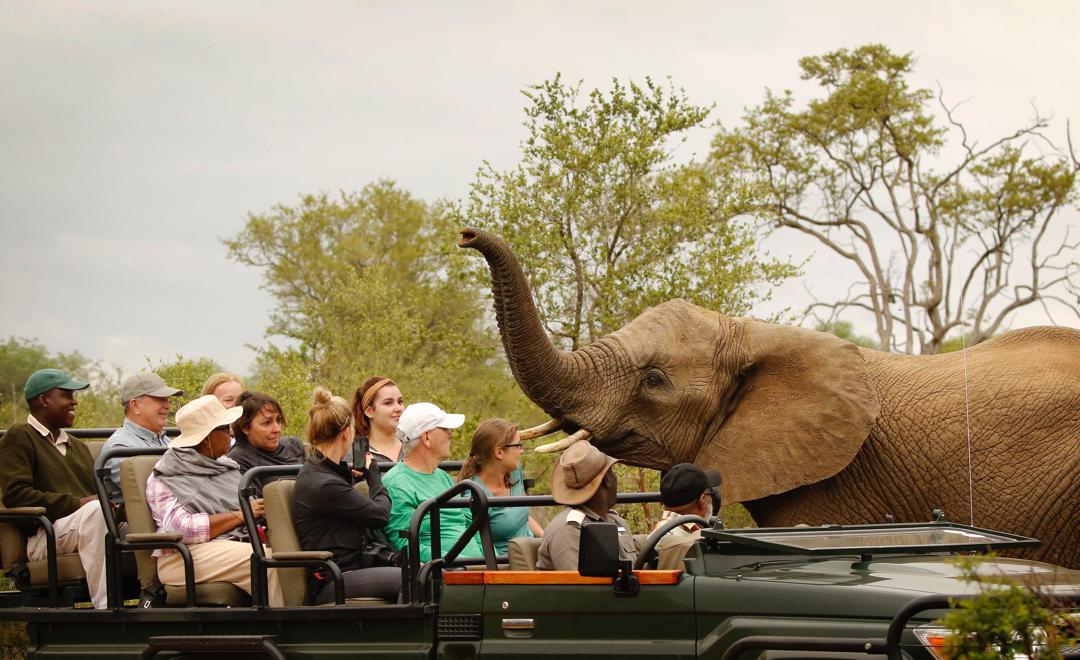
Understanding animal behavior improves safety and ethics. Wild animals communicate through movement, posture, and vocal signals. Guides trained in wildlife behavior recognize signs of stress and adjust viewing distance accordingly. Approaching animals too closely can disrupt feeding, mating, or resting patterns.
During ethical wildlife tourism, observation should remain quiet and controlled. Sudden movements, loud noises, and crowding can trigger defensive reactions. Responsible viewing allows animals to behave naturally while visitors observe without interference.
Activities to Avoid in Wildlife Tourism
Certain activities conflict with ethical standards. Any experience that allows petting, riding, or holding wild animals raises serious welfare concerns. Captive breeding facilities that promote direct interaction often prioritize profit over animal health.
Ethical travelers avoid attractions that separate young animals from their mothers or train animals for performances. These practices disrupt natural development and increase stress. Ethical wildlife tourism supports sanctuaries and reserves focused on rehabilitation and conservation rather than entertainment.
How to Photograph Wildlife Ethically
Ethical wildlife photography places animal welfare above the image itself. Photographers should keep a respectful distance, avoid disrupting natural behavior, and never use bait, sound, or movement to provoke a reaction. Understanding signs of stress helps determine when to step back or stop shooting. Ethical photography also means respecting laws and seasonal sensitivities, such as breeding periods.
Conservation Rules and Viewing Guidelines
Protected areas establish rules to protect wildlife and habitats. Speed limits, designated viewing areas, and time restrictions reduce pressure on animals. Rangers and guides enforce these rules to maintain balance within ecosystems.
You should follow all instructions from guides and park authorities. Staying within designated areas and respecting limits protects both wildlife and visitors. Ethical behavior during viewing activities strengthens conservation outcomes and preserves future access to wildlife areas.
Supporting Communities Through Responsible Tourism
Local communities often live alongside wildlife. Ethical tourism supports livelihoods through employment, education, and revenue sharing. Community involvement reduces human-wildlife conflict and encourages long-term conservation support.
By choosing ethical wildlife tourism, travelers contribute to sustainable economic systems that value wildlife protection. Community-led conservation programs depend on responsible visitation and long-term commitment rather than short-term gain.
Making Ethical Choices as a Traveler
Every decision matters, from operator selection to daily behavior. Asking questions about conservation policies, animal welfare standards, and community involvement helps clarify ethical practices. Responsible travel choices protect ecosystems while offering meaningful wildlife experiences.
Wildlife Experiences with Nakuja Expeditions
We support responsible travel practices that respect wildlife and local communities. Nakuja Expeditions offers experiences such as Rwanda gorilla trekking tours, Uganda gorilla trekking tours, and South Africa adventure trips and outdoor activities, designed around ethical viewing standards. We also plan wildebeest migration safari and wildebeest crossing safari experiences, along with a luxury vacation package in Tanzania, Kenya, Uganda, and more.
Contact us today to plan a wildlife experience guided by responsibility, respect, and conservation-focused travel values.