Booking your African safari early sounds like standard travel advice, the kind that applies to any trip. For an African safari specifically, it matters more than most travelers realize. The best camps, the most experienced guides, and even entire wildlife experiences are often gone long before the season starts, not because of hype, but because supply is genuinely limited.
This is especially true for gorilla trekking, migration timing, and Kilimanjaro’s short climbing windows.
Why the Best Camps Fill Up Fast
Unlike a city hotel that can add more rooms, most safari camps are intentionally small. Some hold a dozen tents, others fewer, and that number rarely changes because keeping camps small protects both the guest experience and the surrounding wildlife.
Once those beds are booked for a given date, no amount of extra demand creates more space. This is especially true for camps inside conservancies bordering the Maasai Mara or Serengeti, where the number of beds is capped by conservation agreements rather than business decisions.
Gorilla trekking permits make this scarcity official rather than just a rule of thumb. Rwanda’s tourism board notes that only 96 permits are available each day, and recommends booking in advance, either online or through a reputable tour operator. Travelers considering Rwanda gorilla trekking tours often discover this limit only after starting to plan, by which point the best dates are already gone.
Migration Season Multiplies the Pressure
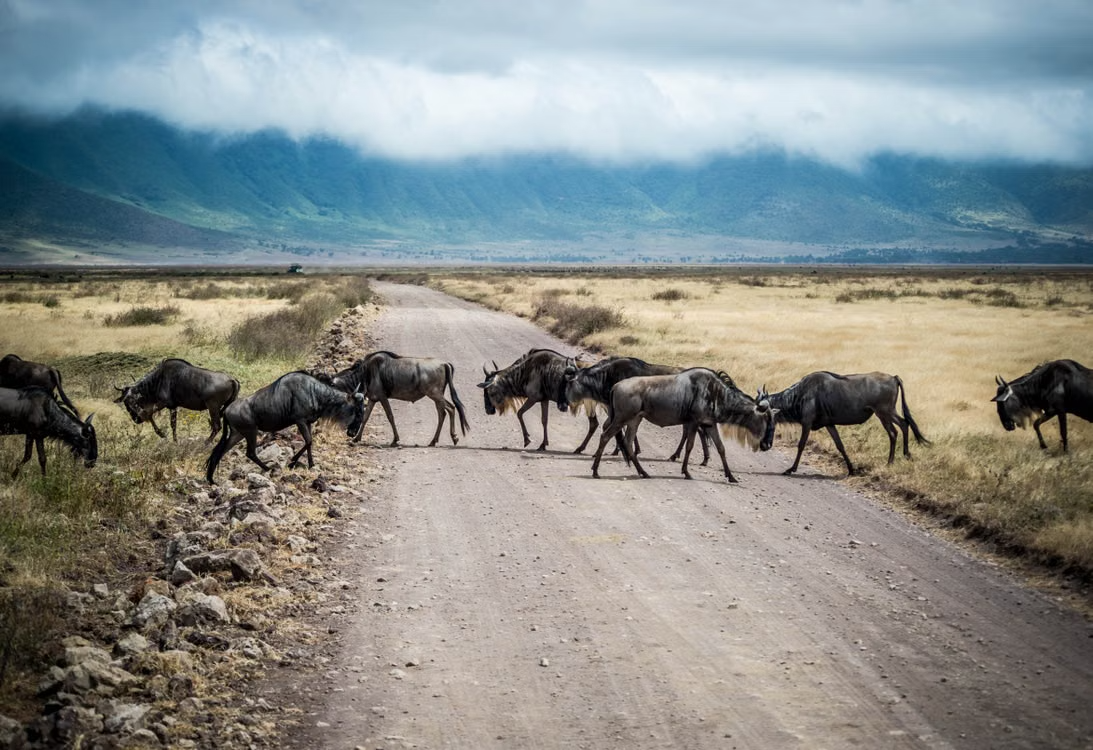
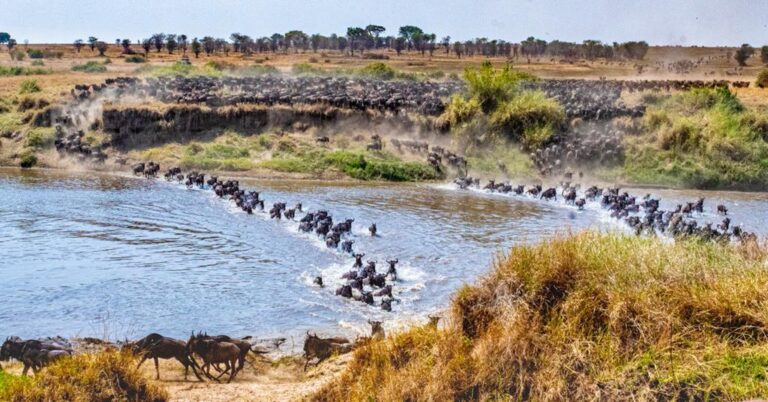
The Great Migration adds another layer of demand on top of already-limited camps. According to UNESCO’s description of the Ngorongoro Conservation Area, well over a million wildebeest pass through the ecosystem as part of the annual migration, drawing travelers who specifically want to time a wildebeest migration safari around the crossings. Camps near the most reliable crossing points book out fastest of all.
Because migration timing shifts slightly every year, travelers who wait too long to book often end up choosing between a mediocre camp location or the right camp on the wrong dates. Some travelers try to hedge by booking multiple camps along different possible crossing points, which only works if those camps still have space to begin with. Booking your African safari early removes that tradeoff entirely.
Guides and Vehicles Are Just as Limited as Beds
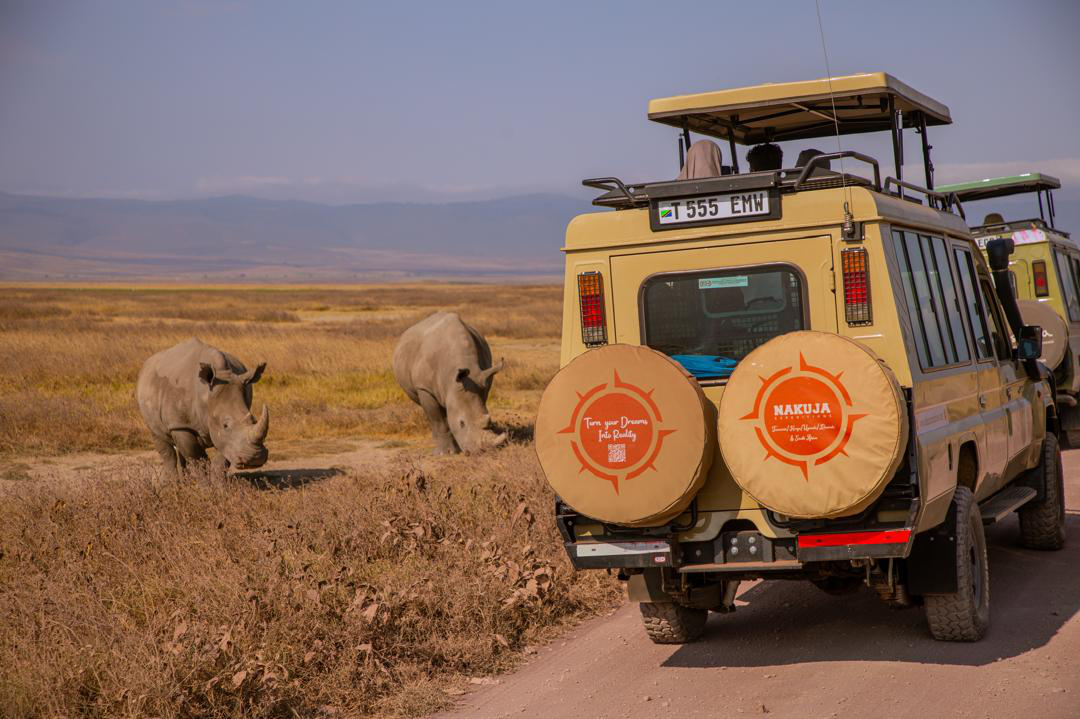
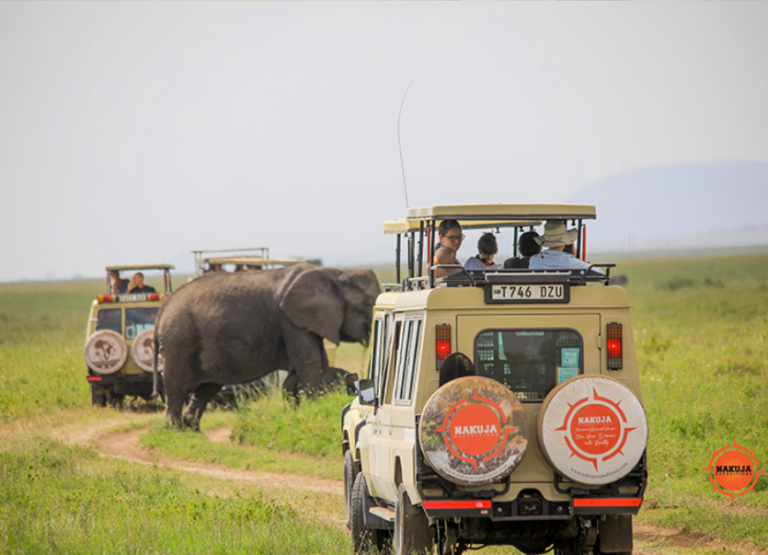
Camps aren’t the only limited resource. Experienced guides, especially those who specialize in specific parks or wildlife behavior, are booked well ahead of peak season by outfitters who know their value. The same applies to well-maintained safari vehicles, which are shared across multiple bookings during busy months.
Waiting until the last minute doesn’t just risk a full camp; it risks ending up with a rushed, generic guide instead of someone who really knows the terrain.
Family and Group Trips Need Even More Lead Time
A luxury family safari tour in Tanzania usually needs multiple rooms or family-friendly tents in the same camp, on the same nights. That kind of availability disappears faster than a single room for a solo traveler, since camps only hold so many multi-bed units to begin with.
Groups face a similar squeeze. Traveling with extended family or friends means everyone needs space at the same property simultaneously, which is exactly the kind of availability that vanishes first when booking your African safari early isn’t a priority.
Kilimanjaro Climbs Come With Their Own Calendar
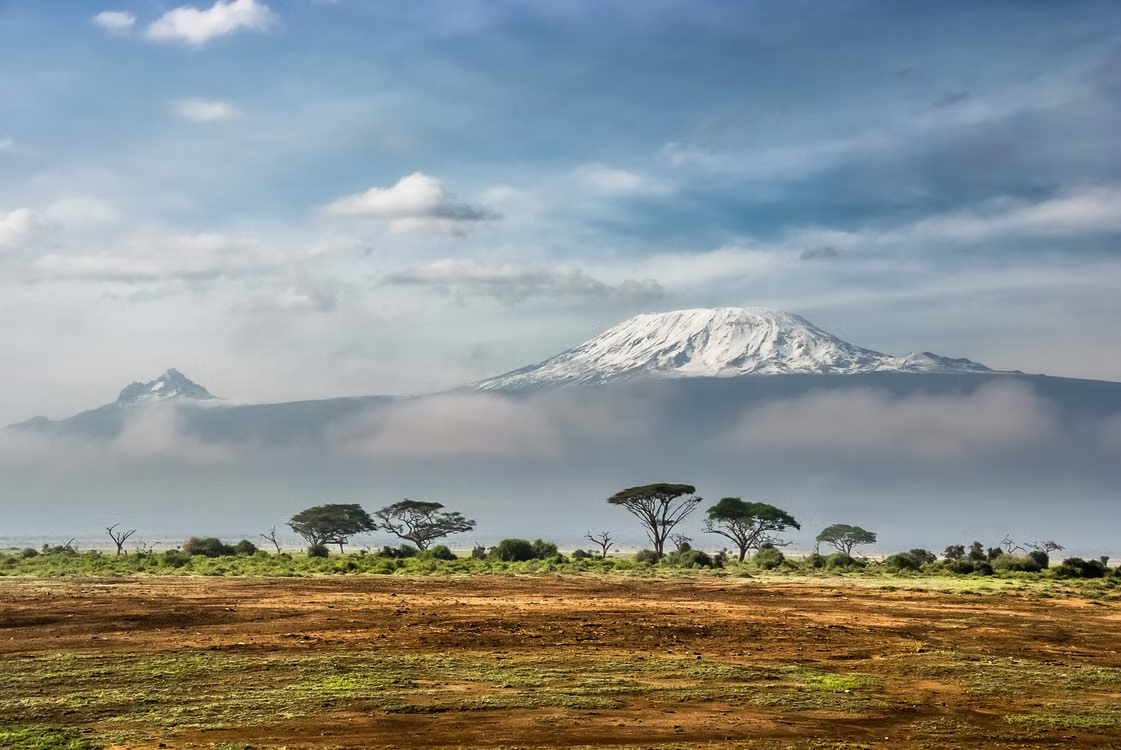
Mount Kilimanjaro trekking and climbing tours follow a different booking rhythm, tied to weather windows rather than wildlife migration. The clearest climbing conditions cluster around a few months each year, and huts and campsites along popular routes have fixed capacity that can’t be expanded on short notice.
Climbers who commit early can usually choose their preferred route and pace. Those who wait often get squeezed into whatever slot remains, sometimes on a more crowded route than they’d have chosen otherwise.
So How Early Is Early Enough?
For peak season travel, roughly six to twelve months ahead is a reasonable target, and gorilla permits specifically are often worth securing even earlier given how quickly they move. Shoulder and green season trips generally allow more flexibility, sometimes just a few months out. The tighter the itinerary’s specific requirements, whether that’s a particular camp, a specific migration window, or a Kilimanjaro route, the earlier it’s worth locking in.
Pricing Rewards Early Planning Too
Beyond availability, booking early often means locking in current pricing before annual rate increases take effect. Many camps also allow a deposit to hold a date, spreading the remaining cost over several months rather than requiring full payment upfront. That structure gives travelers more breathing room to arrange flights, visas, and any vaccinations well before departure, rather than scrambling to handle everything at once close to the trip.
What Happens If You Wait Anyway
Waiting doesn’t always mean missing out entirely. Off-peak months, shoulder-season travel, and more flexible itineraries still leave room to book closer to departure. What disappears first is choice, not the trip itself. It simply means accepting a different camp, a slightly different route, or dates shifted by a few days. Last-minute travelers can often still safari well, just with fewer options over camps, guides, and exact dates.
Start Booking Your African Safari Early with Nakuja Expeditions
Booking your African safari early is less about rigid planning and more about protecting the experience travelers actually want, whether that’s a specific camp, a migration window, or the right guide. Nakuja Expeditions helps travelers lock in these details well ahead of time, whether the plan is a honeymoon safari in Tanzania, a family trip, or a Kilimanjaro climb.
From the first inquiry to the final itinerary, the goal is always the same: give travelers first choice rather than whatever’s left. Contact Nakuja Expeditions today to start planning early and protect the dates, camps, and experiences that matter most.