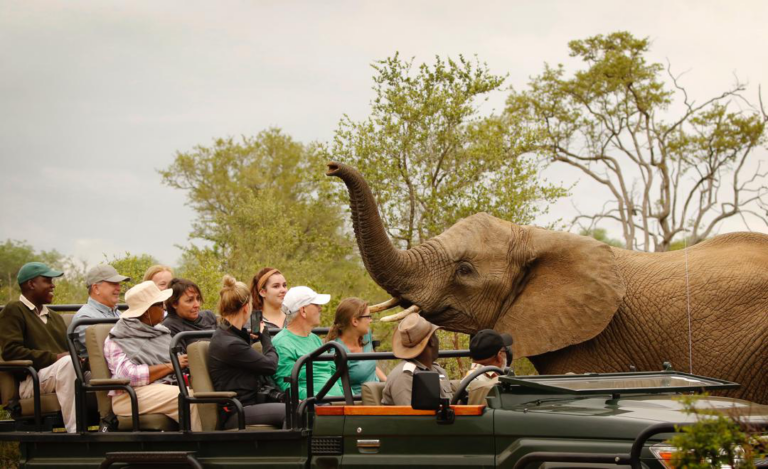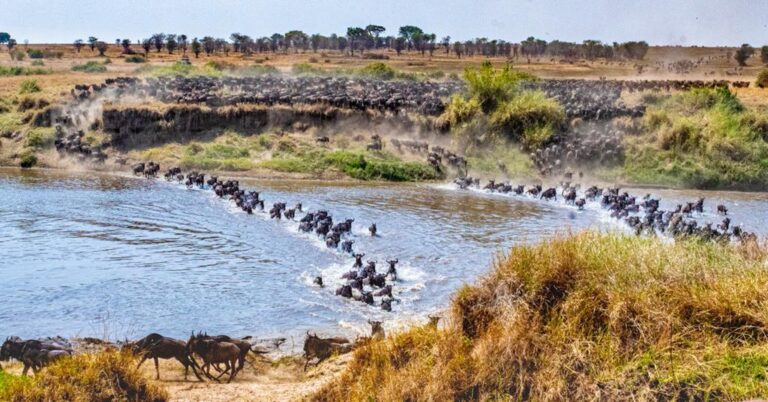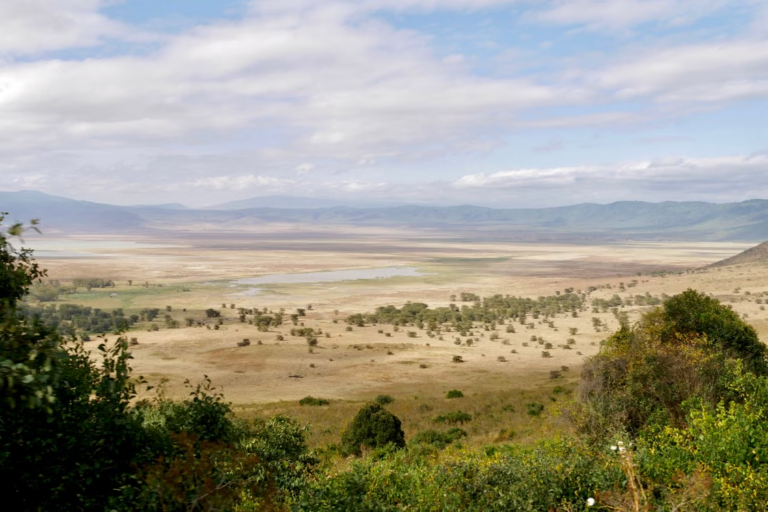
The word “safari” conjures images of sweeping savannahs, herds of elephants, lions lounging under acacia trees, and a sense of wild freedom. But behind those iconic scenes is a long and complex story, one that stretches from colonial conquest to conservation, and from big-game hunts to luxury family safari tours in Tanzania that celebrate nature rather than conquer it.
The history of safaris in East Africa is a fascinating journey, not just through landscapes and wildlife, but through changing values and the growing understanding of our place in the natural world.
Here’s what you need to know.
The Colonial Beginnings: A Safari Meant Hunting
Let’s start at the beginning of the history of Safari in East Africa. In the late 19th and early 20th centuries, as European colonial powers expanded into East Africa, a new kind of travel experience emerged; one that combined adventure, danger, and spectacle. This was the birth of the traditional safari, which literally means “journey” in Swahili. But these early safaris were not about photography or appreciation. They were hunting expeditions, mostly led by European elites and American tycoons, with porters, tents, guns, and a focus on bagging the “Big Five”: lion, elephant, buffalo, leopard, and rhino.
East Africa, especially Kenya and Tanzania, quickly became the prime stage for this new form of wilderness tourism. Colonial administrators, wealthy visitors, and writers like Ernest Hemingway popularized the image of the rugged, romantic safari. And while the landscapes were certainly breathtaking, the impact was devastating. Populations of large mammals were heavily reduced, and local communities were often displaced or excluded from these protected hunting grounds.
So, while the history of safaris is full of bold tales, it’s also marked by the exploitation of animals, land, and people.
A Shift in Focus: Cameras Replace Guns
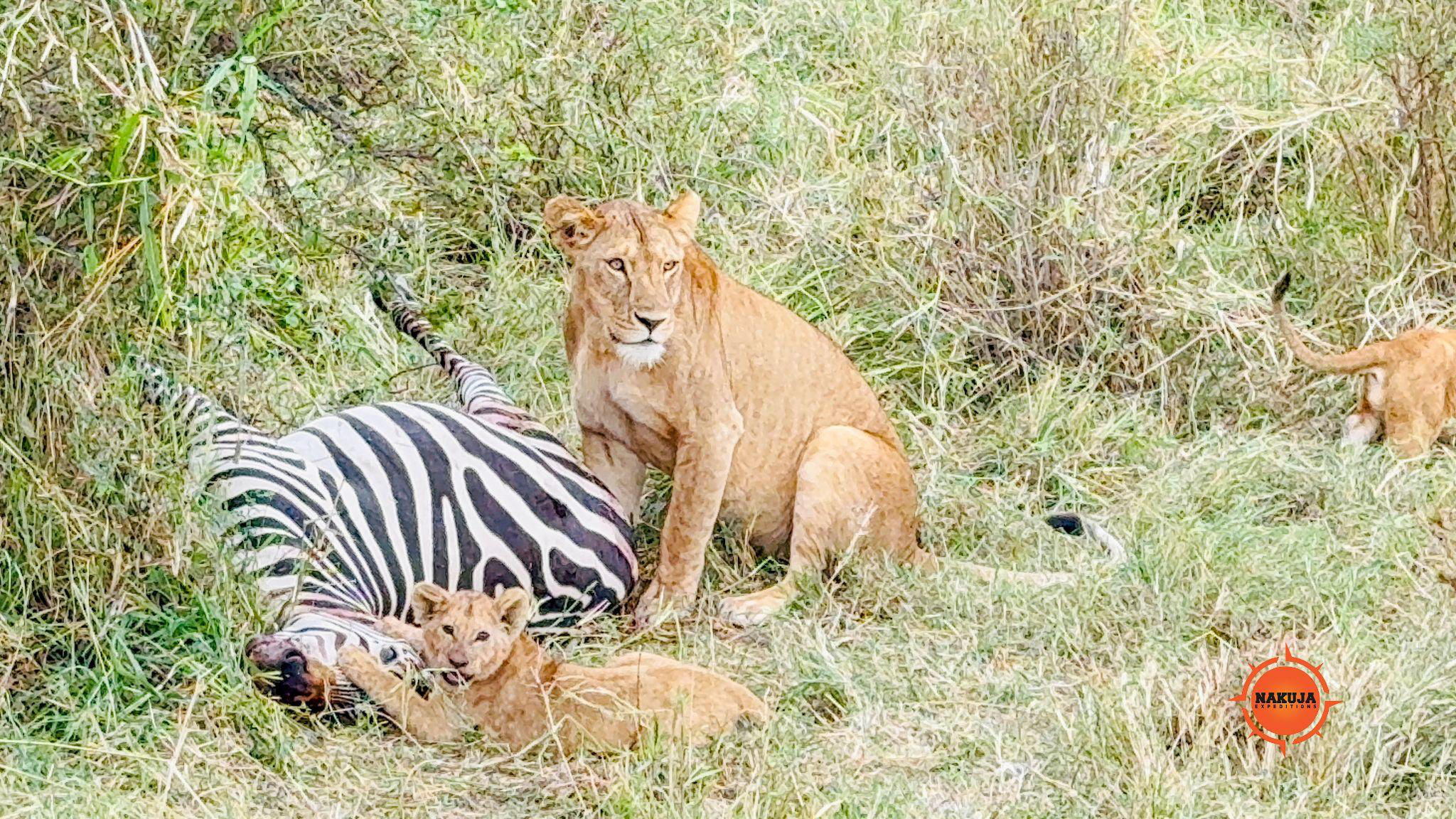
The turning point came in the mid-20th century. As conservation awareness grew globally, hunting safaris slowly gave way to photographic ones. National parks like Serengeti in Tanzania and Amboseli in Kenya began to offer more structured wildlife viewing experiences that emphasized protection over profit. Tourists were still drawn to the same animals and landscapes, but now the goal was to leave them unharmed.
This was also when safari experiences started becoming more accessible. You didn’t have to be a baron or an oil magnate anymore. Families, researchers, nature lovers, and curious travelers from around the world started arriving in East Africa with cameras and binoculars instead of rifles.
The rise of luxury family safari tours or honeymoon safari tours also began here. Instead of grueling expeditions, safaris became comfortable, immersive experiences with guided game drives, private lodges, and experiences designed for all ages. These safaris didn’t just cater to the wealthy; they encouraged longer stays and deeper connections with the land, culture, and wildlife.
The Role of National Parks and Local Communities
East Africa’s protected areas played a massive role in this shift. Kenya’s Masai Mara and Tanzania’s Ngorongoro Crater are now world-famous examples of what happens when wildlife and tourism are managed thoughtfully. But what made the real difference was the increasing involvement of local communities.
In earlier times, local people were often seen as obstacles to conservation. They were pushed off their ancestral lands and denied access to natural resources. But as sustainable tourism models evolved, many realized that local empowerment was key to long-term success.
Today, some of the best safari experiences are rooted in community-led conservancies. These are areas where local people are not just stakeholders but leaders. Revenue from safaris helps fund schools, clinics, clean water projects, and employment. For example, at Nakuja Expeditions, we use part of the profits from safaris to help pay school fees for orphaned or underprivileged children, build schools, and more. Guests staying in a luxury safari lodge might not realize that their visit helps support a village school just a few miles away. But it does.
This model reflects how the history of safaris has shifted from domination to partnership, and how modern safaris are no longer just about wildlife, but also about people.
Conservation in the Spotlight
Conservation is no longer a side benefit of tourism; it’s often the main reason people go on safari. The chance to see elephants up close, track leopards in the wild, or witness the Great Migration of wildebeest across the Serengeti is incredibly powerful. And those encounters help fund the rangers, researchers, and reserves that protect these animals.
But it’s not just about funding. Many safari operators now build conservation into the very design of their trips. Families can meet anti-poaching units, help plant native trees, visit wildlife rehab centers, or even sponsor tracking collars for endangered species. These aren’t gimmicks, they’re real and hands-on ways to connect with conservation.
For kids, especially, a luxury family safari tour in Tanzania can be a life-changing experience. Seeing a lion in the wild, hearing Maasai warriors share stories by the campfire, or spotting a giraffe while having breakfast in the bush leaves a lasting impression. And that early exposure to nature and global awareness often shapes how they see the world for years to come.
A New Era: Sustainable Luxury and Thoughtful Travel
The modern East African safari isn’t just about seeing animals; it’s about how you see them. Sustainability, cultural respect, and ecological care are now central to the best safari experiences. The idea is simple: leave the land better than you found it.
Eco-lodges are being built with solar power, rainwater harvesting, and waste-reduction systems. Safari vehicles run on electric engines or biodiesel. Many camps eliminate single-use plastics entirely. And guides are often from nearby communities, offering stories and insights that no outsider could provide.
The history of safari was a colonial game of dominance, but it has now transformed into a respectful, symbiotic relationship between visitors, wildlife, and local people.
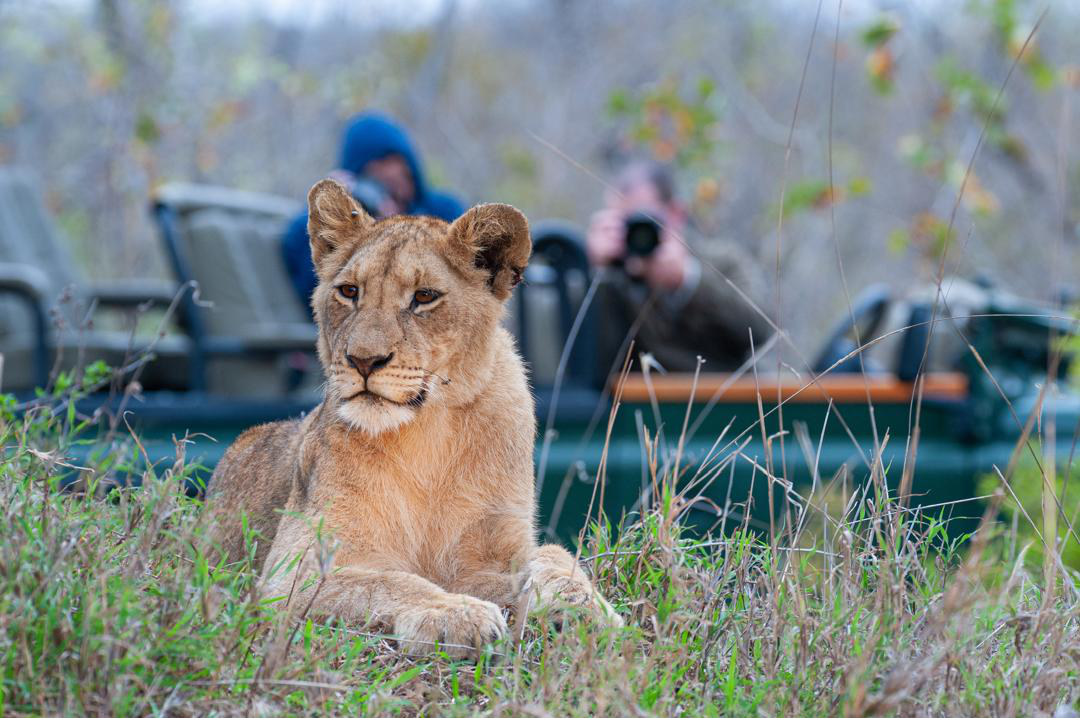
Now that you know the history of safaris, do you wish to experience this incredible legacy for yourself? With Nakuja Expeditions, you don’t just book a trip; you become part of a powerful story of conservation and community empowerment.
From an unforgettable honeymoon safari in Tanzania to life-changing Rwanda gorilla trekking tours, every adventure you take with us directly supports the people and wildlife of East Africa. A portion of our profits helps us build schools, support orphans, pay hospital fees, and ensure children can stay in school. By joining us, you are contributing to a sustainable future for the communities that call this extraordinary place home.
Call now to let us help you plan a journey that is as meaningful as it is memorable.