Not every African safari itinerary is created equal, and some pack in far more than travelers realize until they’re living through it. A well-paced African itinerary isn’t about doing less; it’s about giving each place enough time to actually deliver on what made it worth visiting in the first place. The warning signs of a rushed trip are usually easy to spot once you know what to look for, and avoiding them tends to matter far more than travelers expect going in.
Too Many Parks in Too Few Days
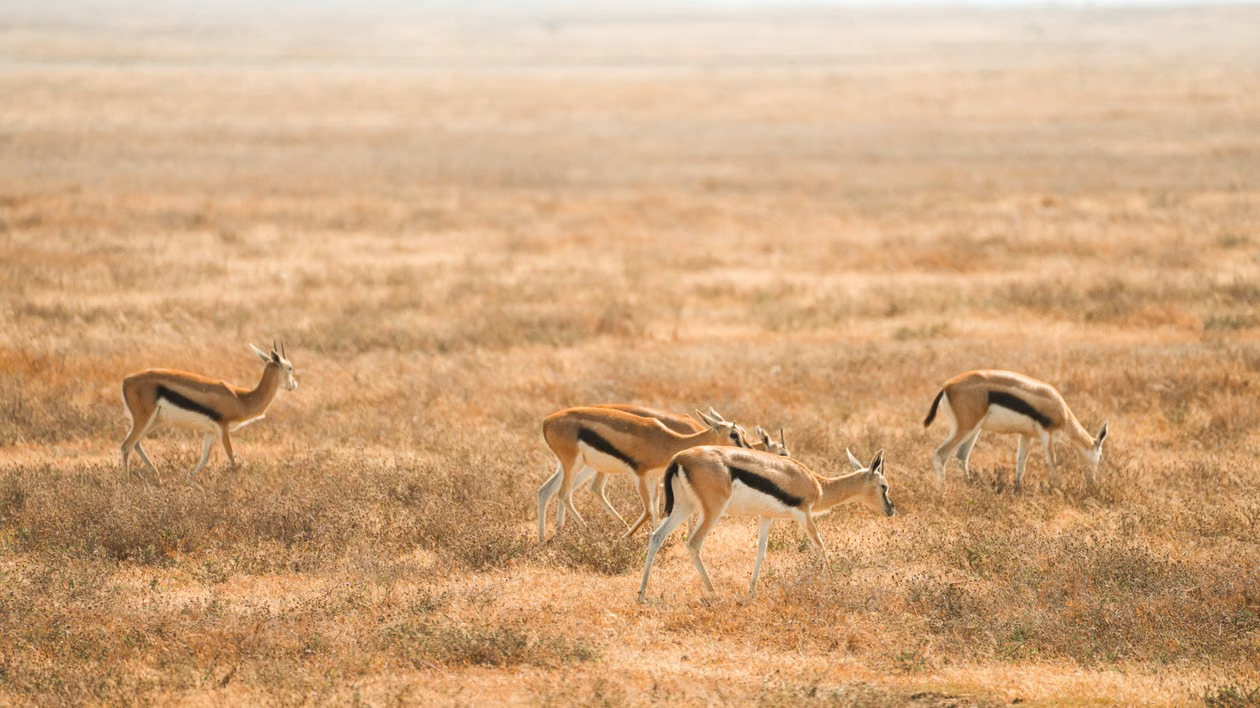
One of the clearest signs of a rushed itinerary is a country list that reads more like a checklist than a trip. Hitting the Serengeti, Ngorongoro, Zanzibar, and a Kilimanjaro day hike inside a single week sounds impressive on paper, but it usually means a single night in most places and almost no time to actually settle into any of them.
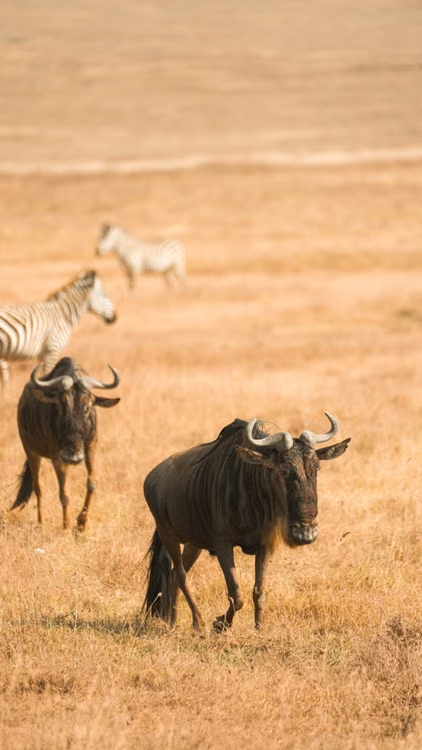
Each park has its own rhythm. Predators move differently across the Serengeti’s open plains than they do in Ngorongoro’s contained crater, and a single overnight rarely allows enough time to understand either one properly. A wildebeest migration safari, in particular, often needs at least two full days near the crossing points, since sightings depend on timing that no itinerary can fully control.
Guides who know these parks well can usually tell within minutes whether an itinerary is trying to do too much, simply based on how many nights are allotted to each stop.
Constant Flights and Transfers Eat Into Actual Safari Time
Every transfer between parks or countries takes a bite out of the trip, even when it’s a short domestic flight. A morning spent packing, transferring to an airstrip, waiting, and flying to the next camp is a morning that isn’t spent on a game drive.
Multi-country combinations, like pairing Tanzania with a Rwanda gorilla trekking tour, are genuinely worth the extra travel time. The problem isn’t combining countries, it’s underestimating how much of each day that travel actually consumes when too many transfers are packed too close together.
Even a single extra transfer, when stacked on top of others, can turn a relaxed week into a blur of airstrips and packing.
Wildlife Doesn’t Perform on a Tight Schedule
A rushed itinerary treats wildlife sightings like scheduled attractions, when in reality they depend on weather, animal movement, and plain luck. Travelers who have exactly one afternoon at a park and no flexibility to extend a good sighting or wait out a quiet period often leave with a thinner experience than they expected.
According to National Geographic, more travelers are looking for ways to experience discovery without the crush of crowds that comes from packing too much into a trip. On safari specifically, that shift usually means fewer stops with enough built-in time for patience to pay off.
The Physical Toll of a Rushed Itinerary
Early wake-ups, long drives, and short nights add up fast, and a rushed itinerary rarely builds in recovery time. This matters even more for a luxury family safari tour in Tanzania, where children and older travelers tire more quickly than an itinerary built around adult stamina assumes.
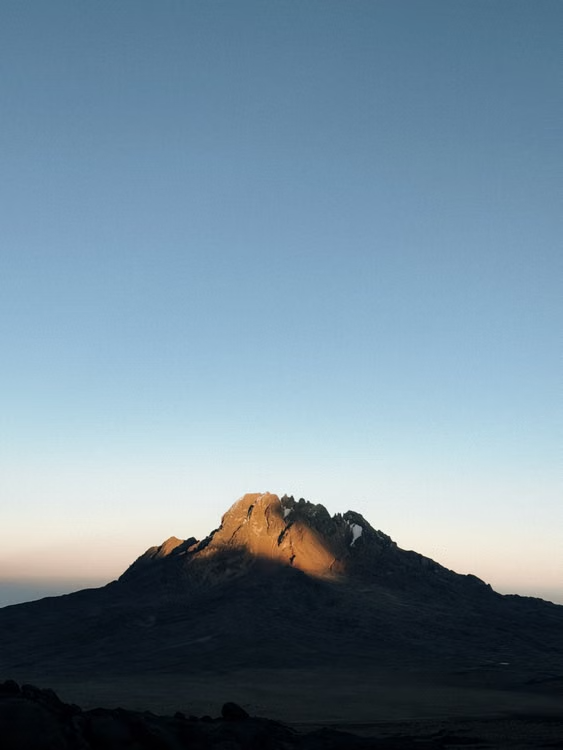
Kilimanjaro climbs make this especially clear. The CDC’s travel health guidance notes that acute acclimatization to high altitude takes three to five days, and recommends acclimatizing at an intermediate elevation before continuing higher, specifically naming Kilimanjaro as a destination where this matters. A compressed Kilimanjaro route that skips this acclimatization window trades a shorter trip for a meaningfully higher risk of altitude sickness.
Warning Signs Your Itinerary Might Be Too Rushed
A few patterns tend to show up again and again in itineraries that end up feeling rushed. Watch for:
- More than one one-night stop in a row, which usually means packing and unpacking without ever really settling in
- No buffer day after a long international flight, especially before an early first game drive
- Back-to-back early mornings with no rest afternoon built in anywhere in the trip
- A day where every single stop involves a flight, a transfer, or a long drive, rather than just one
- No two consecutive nights in the same camp anywhere in the trip, even if every individual stop sounds appealing on its own
Seeing one of these on an itinerary isn’t necessarily a problem. Seeing several of them together is less a red flag and more a running theme.
What a Well-Paced Itinerary Looks Like Instead
A well-paced African itinerary usually spends at least two to three nights per camp, giving both wildlife and weather enough time to cooperate. It builds in at least one lighter day, whether that’s a relaxed morning, a shorter drive, or time by the pool instead of another activity.
It also treats travel days as real days rather than throwaway ones, scheduling arrivals early enough to still catch an afternoon game drive rather than losing the whole day to transfers. Even an itinerary combining a Zanzibar beach and safari tour package with an inland circuit can feel unhurried when the pacing between the two halves is planned properly.
Honeymoon safari in Tanzania itineraries benefit from this approach especially, since rushing between camps leaves little room for the kind of unhurried time couples are usually looking for in the first place.
Build a Well-Paced African Itinerary with Nakuja Expeditions
Recognizing a rushed itinerary is the easy part; building a well-paced African itinerary that still covers what actually matters to a traveler is where real planning experience helps. Nakuja Expeditions builds itineraries around realistic pacing first, whether that means a longer stay in the Serengeti, extra time around a Rwanda gorilla trekking tour, or a proper rest day after a long-haul flight. The goal is always a trip that feels complete rather than crammed.
Contact Nakuja Expeditions today to build an itinerary that gives every stop the time it actually deserves.