Every traveler eventually asks the same question: stick to one country, or combine several into a single trip? Both approaches work well, but they deliver very different experiences. A multi-country African safari can cover more ground and more wildlife, while a single-country trip usually means lower costs, less travel time, and a deeper focus on one region. Neither option is inherently better; the right choice depends on time available, budget, and what travelers most want to see.
What a Single-Country Safari Delivers
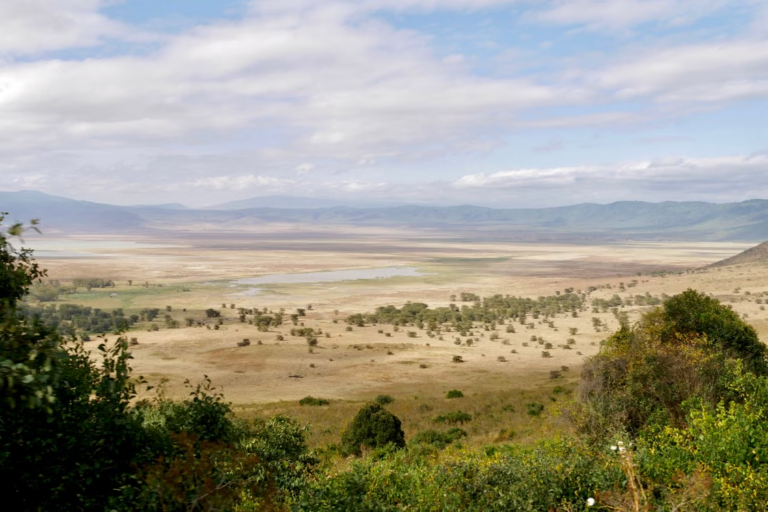
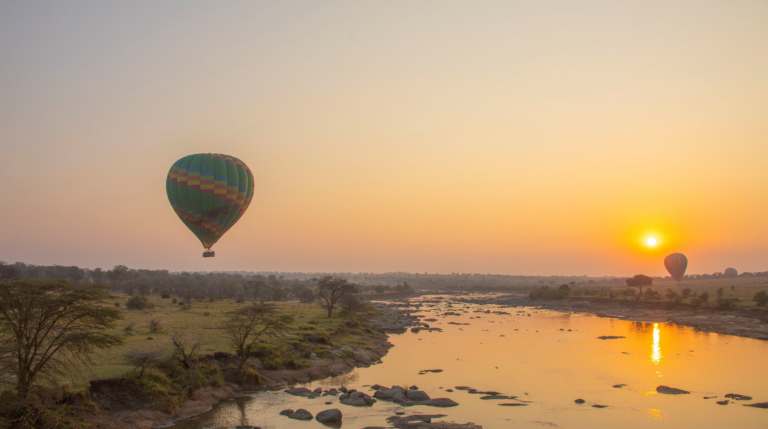
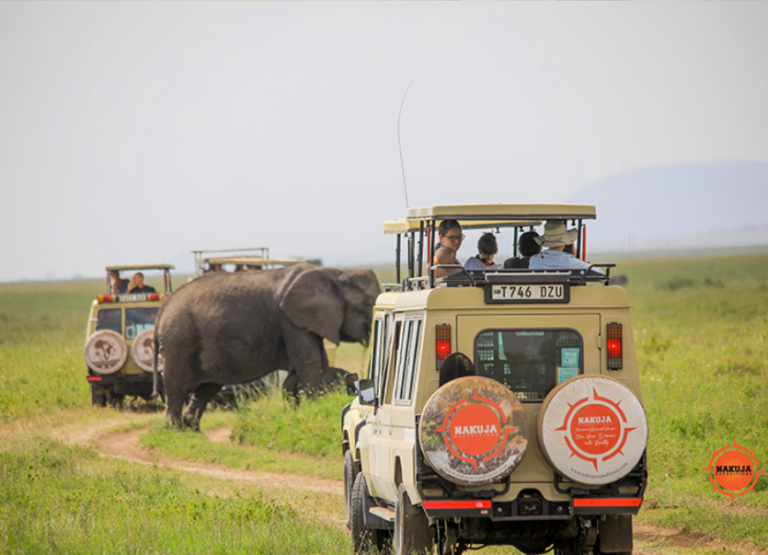
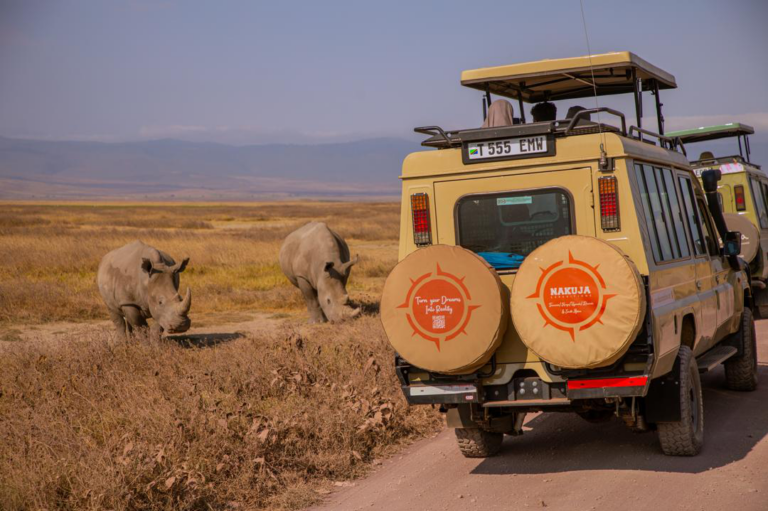
Staying in one country, like Tanzania, keeps logistics simple. There’s no need for multiple visas, extra flights, or long border crossings, and every day of the trip stays within a familiar circuit. A 6-day Tanzania safari or a 7-day Tanzania luxury safari can cover the Serengeti, Ngorongoro Crater, and Tarangire without ever leaving the country, delivering strong wildlife viewing and lower overall costs.
This approach suits shorter trips, first-time travelers, or anyone who prefers depth over breadth. Fewer moving parts also means fewer chances for delays, since a single-country trip isn’t dependent on connecting flights or border timing running smoothly.
What Combining Countries Adds
A multi-country African safari opens up experiences no single country can offer on its own. Pairing Tanzania’s open plains with a Rwanda gorilla trekking tour adds primates and rainforest to a trip built around savanna wildlife, while extending into South Africa introduces Cape Town’s culture and coastline.
The tradeoff is real: more countries usually mean more flights, more logistics, and a higher overall price. Travelers who specifically want variety, like combining a Zanzibar beach and safari tour package with an inland circuit, tend to find the extra cost worthwhile. This is where a longer itinerary, like the 15 Days Gorillas trekking and beach holiday across Tanzania, Rwanda, and Uganda, earns its higher price tag.
Weighing Cost and Travel Time Honestly
Combining countries adds real travel time between destinations, plus, in some cases, extra visa requirements. Travelers combining Kenya, Uganda, and Rwanda can simplify this with the East Africa Tourist Visa, a joint 90-day multiple-entry visa covering all three countries; Rwanda’s own immigration authority confirms it replaces three separate applications with one. Tanzania sits outside that particular visa arrangement and always requires its own separate visa.
None of this makes multi-country travel difficult; it just needs to be planned for rather than discovered at the border.

Plan Your Multi-Country African Safari with Nakuja Expeditions
Deciding between one country and several comes down to priorities: cost and simplicity on one side, variety and breadth on the other. Nakuja Expeditions helps travelers weigh both honestly, building single-country trips for those who want focus and a multi-country African safari for those chasing variety, whether that means a luxury family safari tour in Tanzania or a longer journey spanning several countries.
Contact Nakuja Expeditions today to start planning the version of your African expedition that actually fits your priorities.