Africa’s wild places offer memorable encounters, but how travelers explore them matters. ethical safari travel protects wildlife, supports residents, and encourages visitors to connect with destinations respectfully. When tourism benefits guests and host communities, every journey becomes meaningful.
Here’s how ethical safari travel creates richer experiences while supporting wildlife conservation and local communities.
Conservation That Protects the Experience
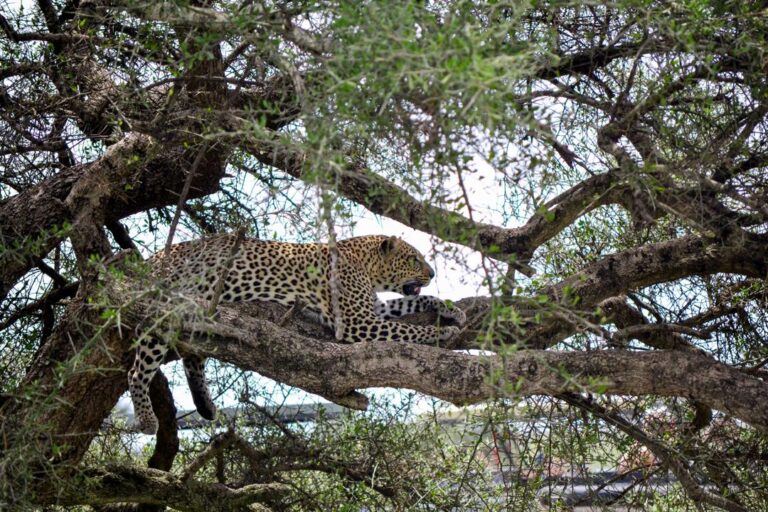
Responsible safari operators work with conservation organizations, trained guides, and protected areas to reduce pressure on fragile ecosystems. Visitor fees may support anti-poaching programs, habitat restoration, research, and wildlife monitoring.
Travelers help by following guide instructions, keeping safe distances, avoiding litter, and never encouraging disruptive animal encounters. These choices help preserve behavior. Even during a wildebeest crossing safari, patient observation beats crowding riverbanks or pushing vehicles too close to herds.
Local Partnerships Create Lasting Value
Tourism works best when local people participate in decisions and share its economic rewards. Safari companies can hire regional guides, purchase food and supplies locally, support community-owned enterprises, and partner with cultural organizations.
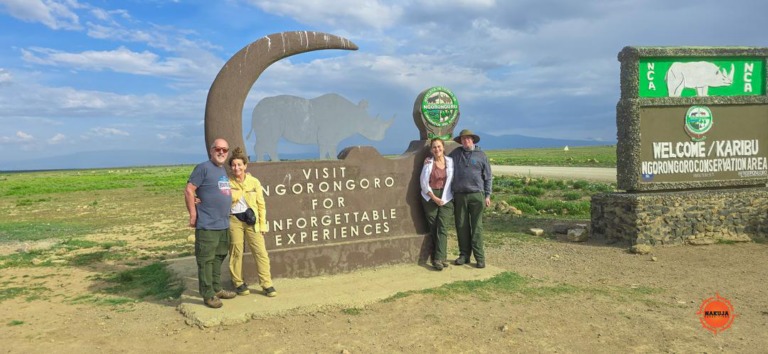
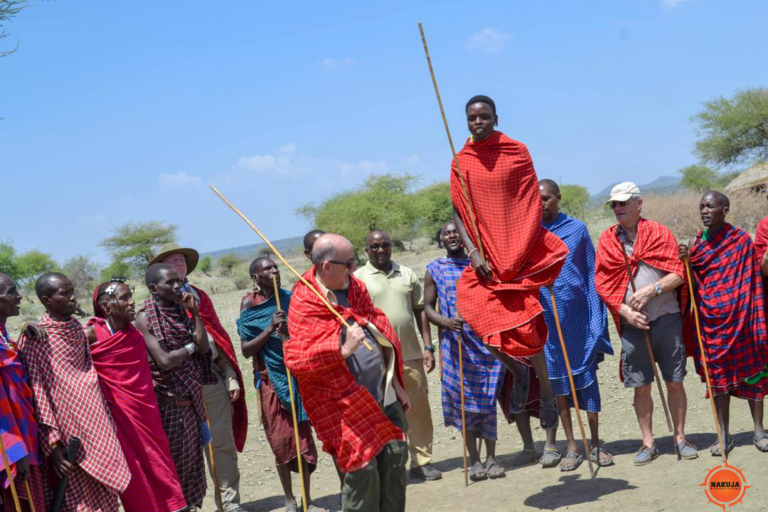
These relationships create jobs while giving travelers authentic opportunities to learn. Guests on a luxury vacation package in Tanzania may meet artisans, visit community projects, or hear conservation stories from people who understand the landscape personally. Ethical cultural experiences should be voluntary, respectful, and fairly compensated rather than staged for quick photographs.
Responsible Encounters Feel More Personal
Meaningful travel is not measured only by how many animals appear. Knowledgeable guides explain ecosystems, animal behavior, local history, and conservation challenges, helping guests understand what they are seeing.
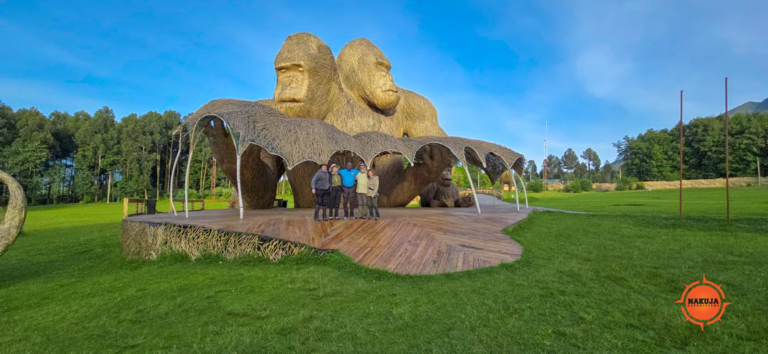
This approach is especially important during Uganda gorilla trekking tours. Permit systems, limited group sizes, health rules, and carefully controlled viewing times protect endangered gorillas while creating intimate encounters. Travelers leave with greater appreciation because the experience is managed thoughtfully instead of treated as entertainment.
Better Choices Shape Future Safaris
Before booking, travelers should ask how a company supports conservation, reduces waste, treats employees, and works with communities. Smaller groups, reusable water systems, responsible lodging, and realistic itineraries can lower environmental impact. Choosing ethical operators encourages the industry to place long-term stewardship ahead of short-term profit.
Travel Responsibly With Nakuja Expeditions
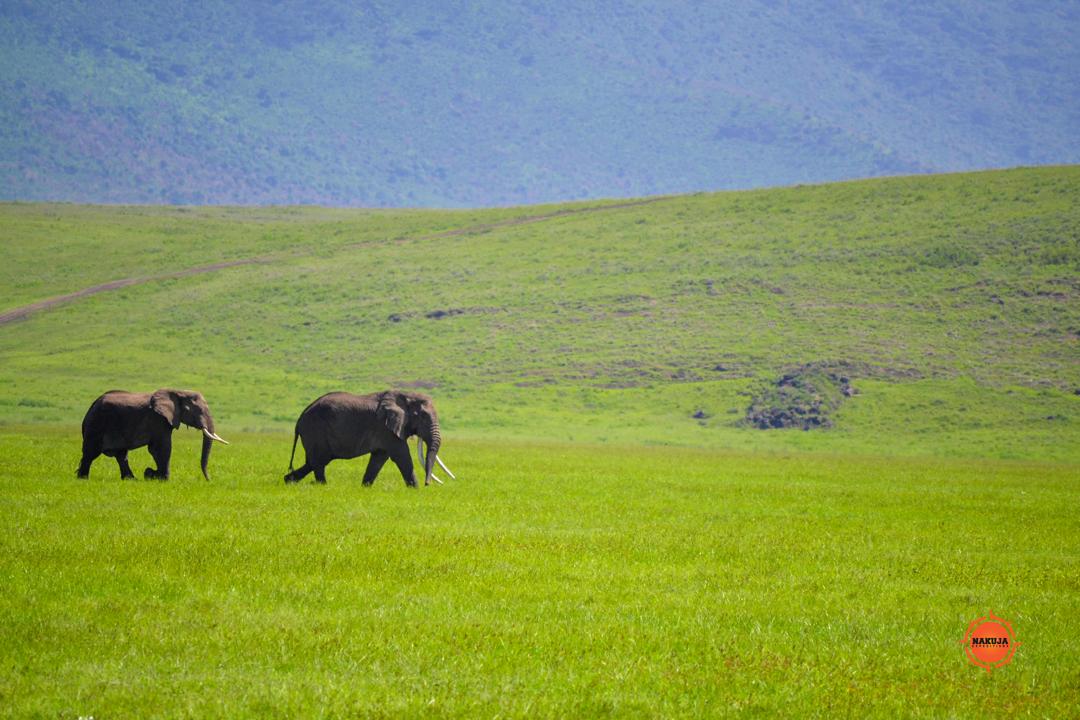
Nakuja Expeditions helps travelers embrace ethical safari travel without sacrificing comfort, discovery, or adventure. Our experts can design a luxury vacation package in Tanzania, arrange stays at a carefully selected Kenya luxury safari lodge, or coordinate responsible Uganda gorilla trekking tours. We create personalized journeys across Tanzania, Kenya, Uganda, Rwanda, and South Africa, working with knowledgeable guides and trusted regional partners. From wildlife viewing and cultural encounters to comfortable accommodations and seamless transportation, every itinerary is planned with respect for guests, communities, and natural environments.
Contact us today and experience ethical safari travel that benefits both people and wildlife.