Africa’s wilderness does not go quiet when the sun disappears. It changes character. Heat fades, shadows stretch across the plains, and animals that remained hidden move across the landscape. Travelers are increasingly planning experiences around these mysterious hours, creating a trend known as noctourism.
For safari guests, exploring after dark reveals behaviors, species, and sounds that daytime drives may never uncover. Find out why a familiar reserve can feel new beneath a moonlit sky.
Understanding the Meaning of Noctourism
Noctourism refers to travel experiences centered on nighttime. It includes stargazing, moonlit walks, evening cultural tours, wilderness sleep-outs, and guided wildlife drives after sunset. Instead of treating night as downtime between sightseeing days, travelers make darkness an essential part of the adventure.
The concept suits African safaris. Many animals are nocturnal or become more active during cooler evening hours. A guided night drive reveals an ecosystem during a shift change, when daytime grazers settle down and secretive hunters begin searching for food.
When the Bush Reveals Another World
A daytime safari offers color, distance, and sweeping views. At night, the experience becomes more focused and sensory. Guests listen for snapping branches, warning calls, wingbeats, and movement in tall grass. Guides use tracking knowledge and controlled spotlights to locate wildlife responsibly.
The beam may catch the reflective eyes of a bushbaby, civet, genet, owl, hyena, or leopard. Lions may become more active. Hippos can leave the water to graze, while smaller creatures emerge from burrows. Sightings are never guaranteed, but uncertainty is part of the excitement.
Why Night Safaris Feel More Immersive
Darkness changes how travelers pay attention. Without daytime visibility, every sound matters. Vegetation seems more fragrant, the air feels cooler, and the landscape becomes harder to measure. This limited visibility creates a powerful sense of presence.
That atmosphere is one reason noctourism appeals to experienced safari travelers. After several daytime drives, they may want a deeper perspective rather than a similar itinerary. Night experiences provide contrast and show that wildlife activity continues around the clock.
Families may enjoy adding an evening drive to a luxury family safari tour in Tanzania, especially when children can follow safety instructions and appreciate wildlife observation. The experience can turn animal tracking into an unforgettable lesson.
The Difference Between Day and Night Wildlife Viewing
During daylight, guides can scan long distances and follow visible herds across open terrain. Travelers may watch elephants feeding, giraffes browsing, zebras gathering near water, or predators resting beneath trees. A wildebeest migration safari also emphasizes large-scale movement through expansive landscapes.
Night viewing is more intimate. The spotlight reveals one section of the environment at a time, encouraging guests to notice details. A chameleon gripping a branch, a porcupine crossing a track, or an owl watching from a tree can define the evening.
Nighttime experiences do not replace major daytime events. Travelers hoping to witness a dramatic wildebeest crossing safari still need well-planned game drives during the appropriate migration period. Night excursions complement those experiences by showing what happens when the crowds, heat, and daylight fade.
More Than Predators in the Darkness
People often imagine night safaris as searches for lions and leopards. Predators are exciting, but rewarding drives celebrate the entire ecosystem. Guides may explain insect sounds, bird calls, animal tracks, constellations, plant adaptations, and relationships between nocturnal species.
A slower drive reveals how guides read the wilderness. An alarm call may suggest a predator nearby. Fresh tracks can indicate that an animal crossed moments earlier. Eye shine at different heights can help identify a species. Even when large animals remain hidden, expert interpretation keeps the landscape alive.
Night Skies Add Another Layer of Wonder
Wildlife is only part of the attraction. Safari regions far from major cities can offer impressive views of stars, planets, and the Milky Way. After the vehicle stops and the engine is switched off, guests may experience darkness and quiet that are increasingly difficult to find elsewhere.
Some itineraries extend noctourism beyond game drives through outdoor dinners, fireside storytelling, stargazing, photography, or carefully managed sleep-outs. These moments appeal to travelers planning South Africa adventure trips and outdoor activities, where safari, scenery, hiking, and nighttime experiences can form one varied journey.
Responsible Night Exploration Matters
After-dark wildlife viewing requires experienced professionals and respect for local rules. Not every park or reserve allows night drives, and permitted routes, hours, vehicles, and lighting practices vary. Travelers should book qualified operators who understand regulations and animal behavior.
Responsible guides avoid chasing animals, blocking movement, making excessive noise, or shining bright lights into sensitive eyes for prolonged periods. Guests should remain seated, speak quietly, follow instructions, and avoid flash photography unless permitted.
Thoughtful planning also balances adventure with rest. A late drive followed by an early morning departure can be tiring, particularly for children. Relaxed afternoons can keep the itinerary enjoyable.
Pairing Night Safaris With a Broader African Journey
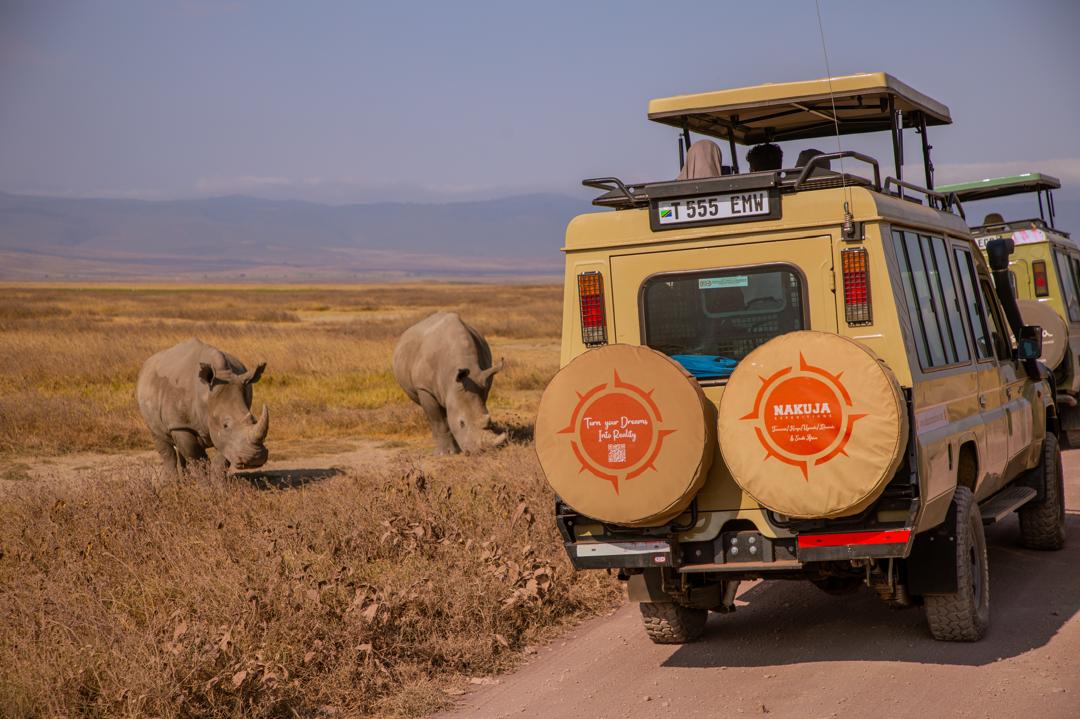
The strongest itineraries combine different moods and environments. Travelers might enjoy daytime wildlife viewing, an evening drive, cultural encounters, scenic flights, and time beside the ocean. A Zanzibar beach and safari tour package, for example, pairs wildlife exploration with restful days on the coast.
This variety makes noctourism feel meaningful rather than gimmicky. Night becomes one carefully chosen chapter within a complete African story, adding mystery, discovery, and deeper understanding of the natural world.
Explore Africa Beyond Daylight With Nakuja Expeditions
Nakuja Expeditions can transform noctourism from an interesting idea into a thoughtfully planned African journey. Our travel experts create personalized itineraries across Tanzania, Kenya, Uganda, Rwanda, and South Africa, matching wildlife experiences with comfort, timing, and knowledgeable guidance.
Whether you are considering a luxury family safari tour in Tanzania, an unforgettable wildebeest crossing safari, or a relaxing Zanzibar beach and safari tour package, we can connect each experience smoothly.
Contact us today to start planning your remarkable after-dark adventure.