Africa is vast, diverse, and endlessly rewarding. While a single safari destination can be life-changing, a thoughtfully planned multi-country African expedition allows travelers to experience the continent’s full richness, iconic wildlife, rare primates, dramatic landscapes, cultural depth, and moments of quiet luxury, all in one seamless journey.
From the golden savannas of Tanzania and Kenya to the misty rainforests of Rwanda and Uganda, and onward to the vibrant cities and coastlines of South Africa, a multi-country expedition turns travel into a story that unfolds across borders. This guide explains how to plan such a journey strategically, avoid common pitfalls, and maximize every destination.
Why a Multi-Country African Expedition Is Worth It
Africa is not a single experience; it’s a mosaic of ecosystems, cultures, and adventures. Traveling across multiple countries allows you to:
- Experience different wildlife regions and species
- Combine classic safaris with gorilla trekking and adventure travel
- Balance fast-paced exploration with rest and luxury
- Get better value from long-haul international flights
- Create a journey tailored entirely to your interests
For travelers who want more than a checklist safari, this approach delivers depth, contrast, and emotional impact.
Choosing the Right Countries for Your Expedition
Not all African destinations are meant to be combined randomly. Successful multi-country itineraries are built around geography, seasons, and travel flow.
Tanzania: The Heart of the Classic Safari
Tanzania is often the foundation of a multi-country expedition.
Highlights include:
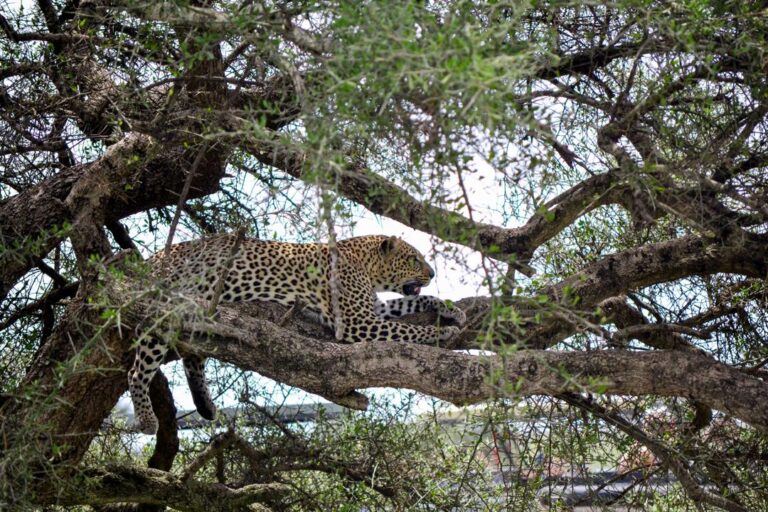
- Serengeti National Park and the wildebeest migration safari
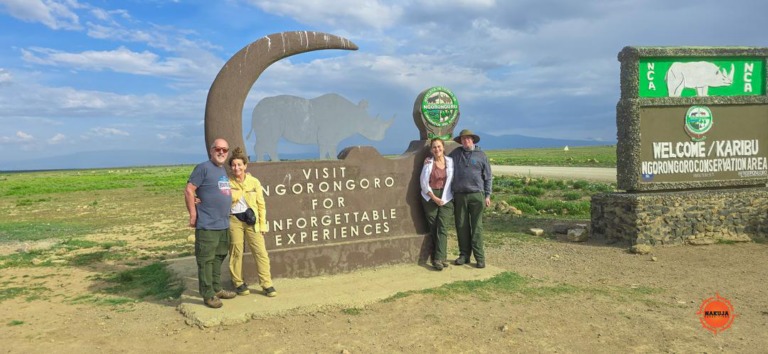
- Ngorongoro Crater’s dense wildlife concentration
- Tarangire’s elephant herds and ancient baobabs
Tanzania also works exceptionally well for:
- Luxury family safari tour Tanzaniaitineraries
- Honeymoon safari in Tanzania experiences
- Combining wildlife with a Zanzibar beach and safari tour package
Kenya: Iconic Landscapes and Private Conservancies
Kenya pairs naturally with Tanzania due to shared ecosystems.
Key advantages:
- Masai Mara river crossings during migration season
- Excellent private conservancies with fewer vehicles
- Access to exclusive experiences from a Kenyan luxury safari lodge
Together, Kenya and Tanzania provide one of Africa’s most complete savanna safari experiences.
Rwanda: Intimate Gorilla Encounters
Rwanda adds emotional depth to a multi-country journey.
Why include Rwanda:
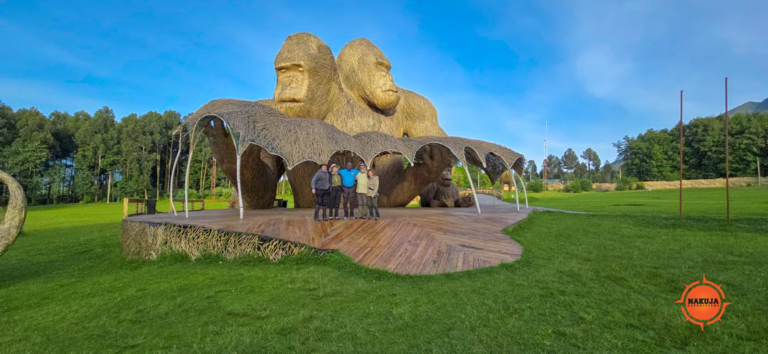
- Highly organized Rwanda gorilla trekking tours
- Short travel distances and efficient logistics
- Luxury lodges near Volcanoes National Park
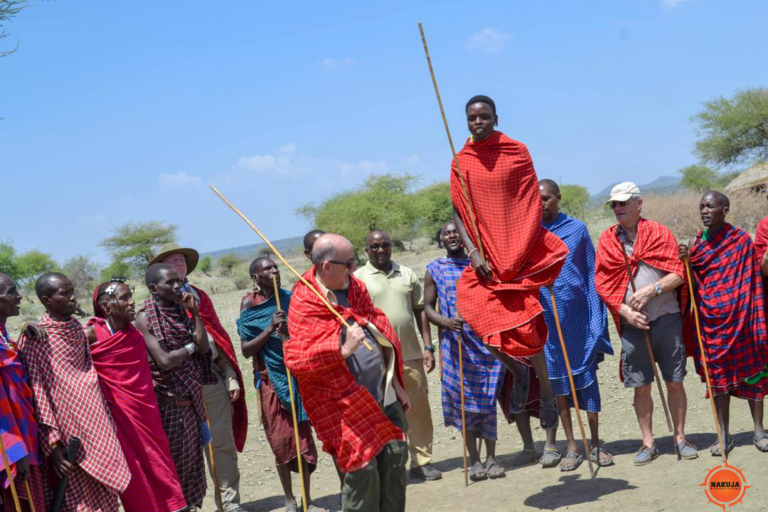
Many travelers complement gorilla trekking with Rwanda adventure trips and hiking expeditions, cultural village visits, and scenic volcano hikes.
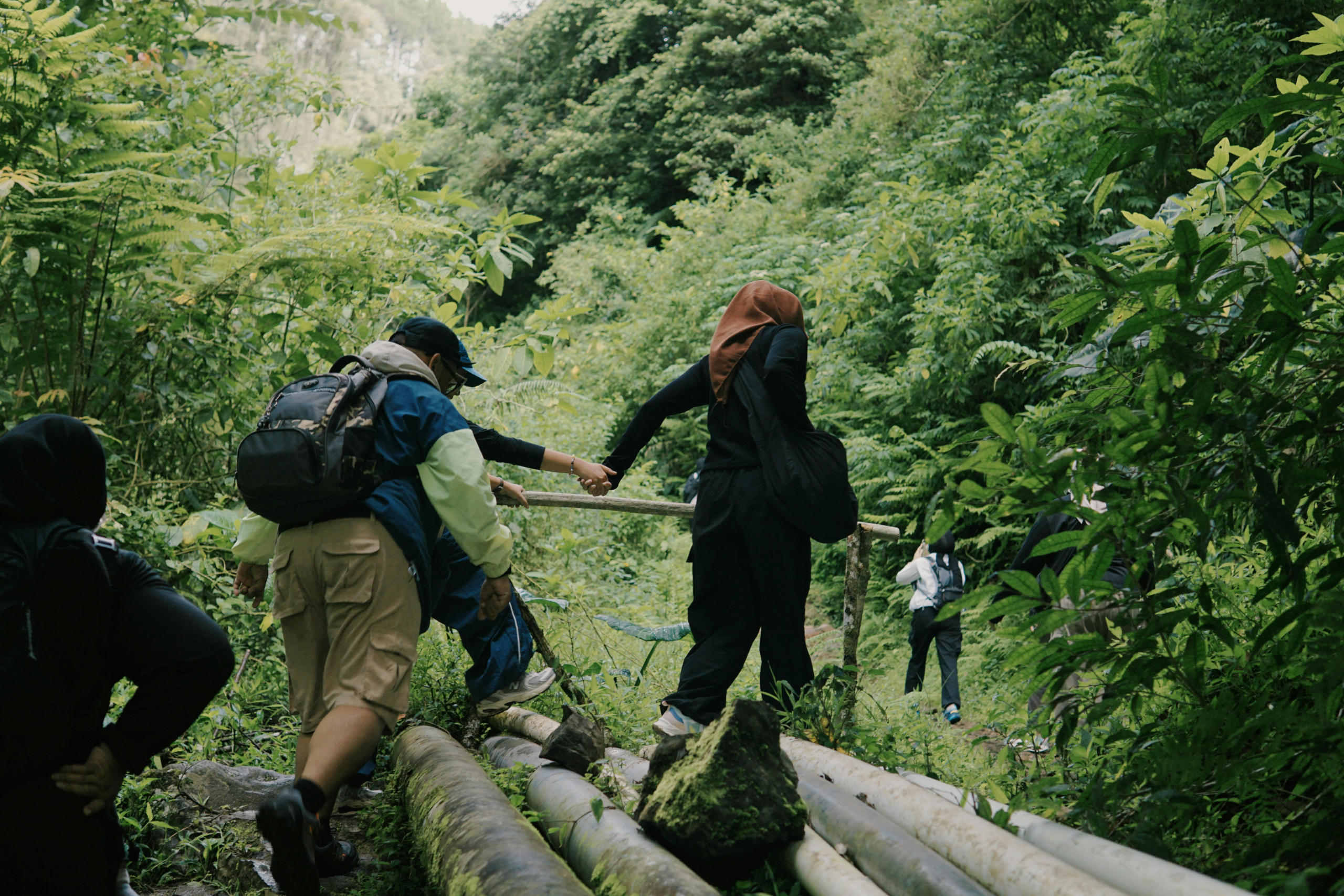
Uganda: Primate Diversity and Raw Wilderness
Uganda offers a more rugged and adventurous counterpart to Rwanda.
Key experiences:
- Uganda gorilla trekking toursin Bwindi Impenetrable Forest
- Chimpanzee tracking in Kibale
- Scenic landscapes and fewer crowds
Uganda is often included in extended itineraries such as an Uganda gorillas and Kilimanjaro climbing tour.
South Africa: Culture, Coastlines, and Contrast
South Africa adds a completely different dimension.
Highlights include:
- South Africa adventure trips and outdoor activities
- Coastal drives and wine regions
- Urban culture and culinary experiences
It works well as a final stop after wildlife-focused travel.
Designing the Ideal Itinerary Flow
One of the most important aspects of a multi-country African expedition is pacing. Poorly planned itineraries feel rushed and exhausting, while well-designed journeys feel effortless.
Smart Travel Flow Principles
- Move from safari to safari logically (north to south or vice versa)
- Use regional flights to minimize long road transfers
- End the trip with rest (beach or city) rather than more activity
A typical flow might look like:
- Tanzania safari
- Kenya migration extension
- Rwanda gorilla trekking
- Zanzibar or South Africa relaxation
How Long Should a Multi-Country Expedition Be?
Time is critical when traveling across multiple countries.
Recommended durations:
- 10–14 days: Two countries (e.g., safari + gorilla trekking)
- 15–21 days: Three countries with comfortable pacing
- 21+ days: Four or more countries with adventure add-ons
Trying to do too much in too little time reduces wildlife viewing quality and overall enjoyment.
Adding Adventure Without Overloading the Trip
Adventure experiences elevate a multi-country expedition when used thoughtfully.
Popular additions include:
- Mount Kilimanjaro trekking and climbing toursbefore or after safari
- Volcano hikes and nature walks as part of Rwanda expeditions
- Light adventure activities balanced with luxury accommodations
Adventure should enhance the journey, not overwhelm it.
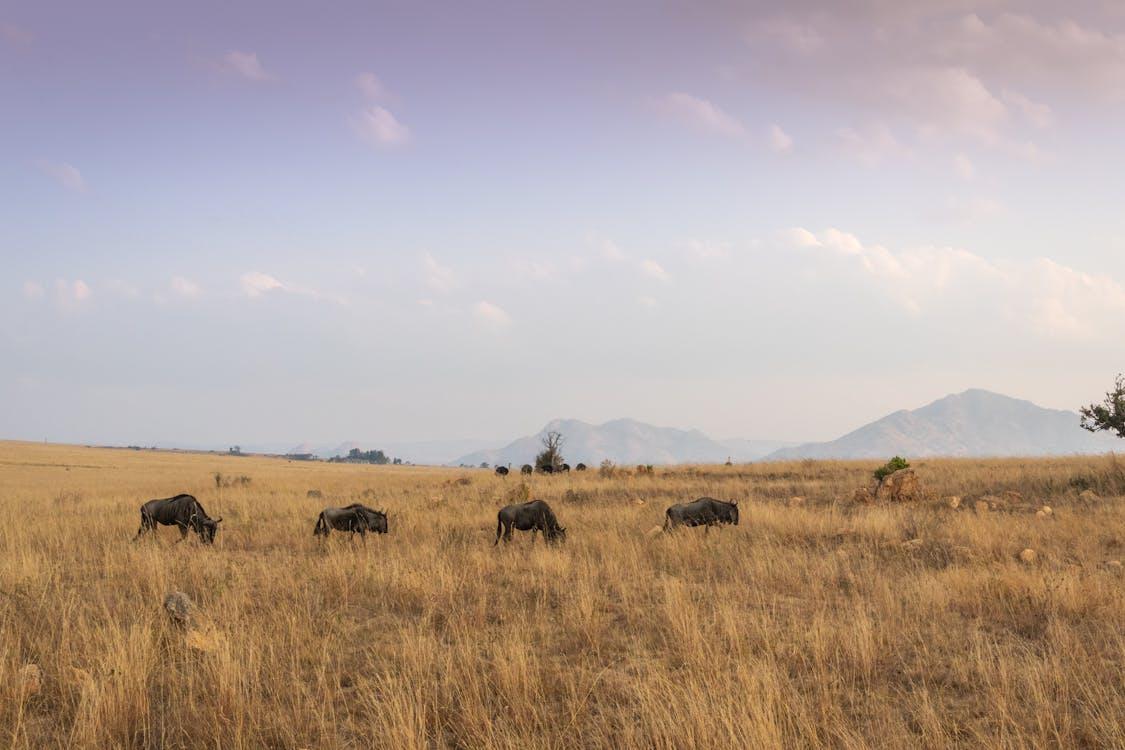
wildebeest migration safari in East Africa
Accommodation Strategy: Mixing Comfort Levels
One of the strengths of a multi-country expedition is flexibility. A well-balanced itinerary may include:
- Tented camps close to migration corridors
- High-end lodges for privacy and relaxation
- Eco-lodges near gorilla trekking regions
- Beach resorts for recovery and reflection
This approach works particularly well for Honeymoon Safari Tours in Tanzania and multi-generational family travel.
Understanding Seasonal Planning Across Countries
Timing becomes more complex when visiting multiple regions.
General Seasonal Guidelines
- June to October: Best overall safari and trekking conditions
- January to March: Calving season and fewer crowds
- Year-round: Gorilla trekking remains consistent
Expert planners align destinations so that each country is visited at its peak, rather than compromising across the board.
Practical Logistics You Should Not Overlook
Flights and Transfers
- Regional flights save hours of travel time
- Charter flights can improve access to remote camps
- Luggage weight limits vary; pack strategically
Visas and Entry Requirements
- An East African Tourist Visa can simplify travel across Kenya, Uganda, and Rwanda
- Passport validity and vaccination rules must be checked early
- Permits for gorilla trekking are limited and must be secured in advance
Who Should Choose a Multi-Country African Expedition?
This style of travel is best suited for:
- Travelers seeking depth rather than speed
- Honeymooners wanting variety and exclusivity
- Families looking for educational, immersive experiences
- Repeat safari travelers ready to go beyond the basics
With proper planning, even complex journeys feel smooth and personalized.
Why Expert Planning Is Essential
Multi-country travel introduces layers of complexity, permits, border logistics, seasonal timing, and coordination across regions. Working with experienced African safari specialists ensures:
- Seamless transitions between countries
- Proper handling of permits and park access
- Balanced itineraries that avoid fatigue
- Ethical, community-focused travel practices
The difference between a stressful trip and a transformative one lies in expert coordination.
Final Thoughts: Traveling Beyond Borders in Africa
A multi-country African expedition is more than a vacation; it’s a narrative that unfolds across landscapes, cultures, and wildlife encounters. When planned with intention, it delivers not just variety, but meaning, connection, and lasting memories. Africa rewards those who take the time to explore it deeply.
Start Planning Your African Expedition
If you’re ready to combine iconic safaris, gorilla trekking, adventure travel, and luxury experiences across Africa, expert guidance makes all the difference.
Contact Nakuja Expeditions today to design a fully customized multi-country African expedition, crafted around your pace, passions, and vision of the perfect African journey.