Kenya is one of Africa’s most iconic safari destinations, known for its dramatic landscapes, abundant wildlife, and world-famous migration events. From the sweeping plains of the Masai Mara to luxury lodges overlooking river crossings, timing your trip correctly can elevate your safari from memorable to truly extraordinary.
If you’re planning to visit Kenya for a safari adventure, understanding the seasons, wildlife patterns, and travel conditions will help you make the most of your experience. This guide breaks down the best times to go, what you’ll see each season, and how to tailor your safari for maximum impact.
Understanding Kenya’s Safari Seasons
Kenya experiences two main seasons that influence wildlife viewing, weather, and travel costs:
- Dry Season (June to October)
- Green / Wet Seasons (November to May, with short and long rains)
Each season offers unique advantages depending on what you want from your safari.
June to October: The Best Overall Time for Safaris
For most travelers, the dry season is the best time to visit Kenya.
Why This Period Is Ideal
- Animals gather around water sources, making wildlife easier to spot
- Vegetation is thinner, improving visibility
- Comfortable daytime temperatures
- Minimal rainfall, especially from July to September
The Wildebeest Migration Highlight
Between July and October, the wildebeest migration safari reaches its peak in the Masai Mara. This is when massive herds cross crocodile-filled rivers in one of nature’s most dramatic spectacles.
This season is perfect for:
- Wildebeest crossing safariexperiences
- First-time safari travelers
- Luxury lodge stays near migration corridors
Many travelers choose premium accommodations, such as a Kenya luxury safari lodge, for front-row views and private game drives during this period.
January to March: Excellent Wildlife and Fewer Crowds
This lesser-known window is ideal for travelers seeking great wildlife viewing without peak-season crowds.
What to Expect
- Dry weather with warm days
- Baby animals and predator activity
- Fewer tourists compared to mid-year months
- Excellent photography conditions
This season works well for travelers, combining destinations, such as pairing Kenya with a Luxury family safari tour, Tanzania itineraries, or extending trips into gorilla trekking regions.
April to May: The Green Season (Best Value Travel)
April and May bring heavier rains, transforming Kenya’s landscapes into lush green scenery.
Pros
- Fewer visitors and quieter parks
- Lower accommodation rates
- Vibrant landscapes and birdlife
Considerations
- Some roads may be muddy
- Wildlife is more dispersed
- Not ideal for migration-focused safaris
This period is best for experienced safari travelers, photographers, or those looking for value-driven luxury.
November to December: Short Rains and Fresh Landscapes
The short rains refresh the savanna without significantly disrupting travel.
Why It’s a Good Option
- Improved availability at top lodges
- Pleasant temperatures
- Excellent birdwatching
- Good wildlife sightings
This season pairs well with extended African journeys, including South Africa adventure trips and outdoor activities or cultural and hiking experiences.
Choosing the Best Time Based on Your Travel Style
For Wildlife Enthusiasts
- July to October for migration and predator action
- January to March for calving and hunting behavior
For Luxury Travelers
- Dry season offers the best access to premium lodges and private conservancies
- Ideal for combining Kenya with a Luxury vacation package in Tanzania
For Families
- School holidays in June, August, and December
- Well-structured family-friendly lodges with guided activities
For Multi-Country Adventures
Kenya fits seamlessly into longer itineraries, such as:
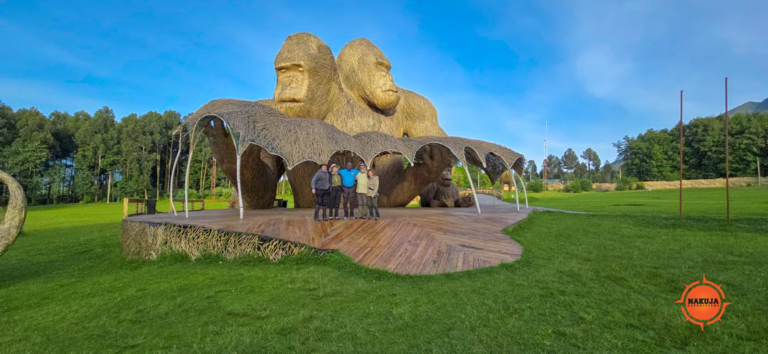
- Gorilla trekking via Uganda gorilla trekking tours
- Rwanda gorilla trekking tours paired with savanna safaris
- Uganda gorillas and Kilimanjaro climbing tour combinations
- Mount Kilimanjaro trekking and climbing toursfollowing a Kenyan safari
Wildlife Experiences You Can Expect Year-Round
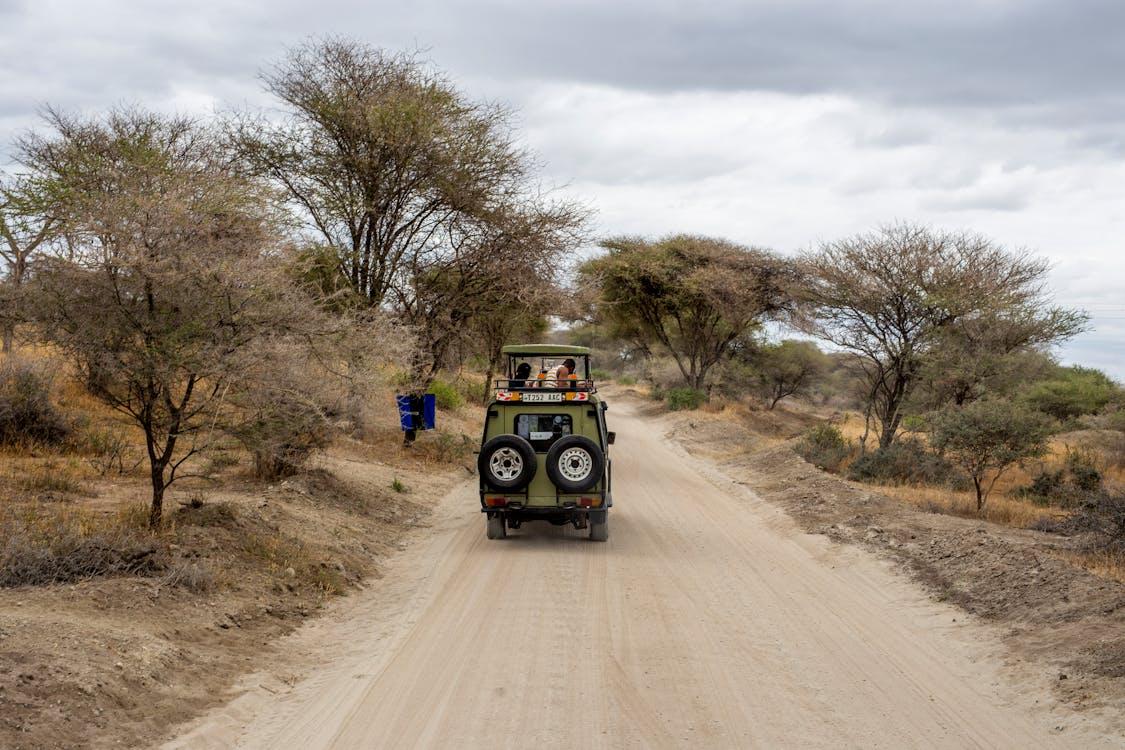
Kenya offers exceptional game viewing throughout the year, including:
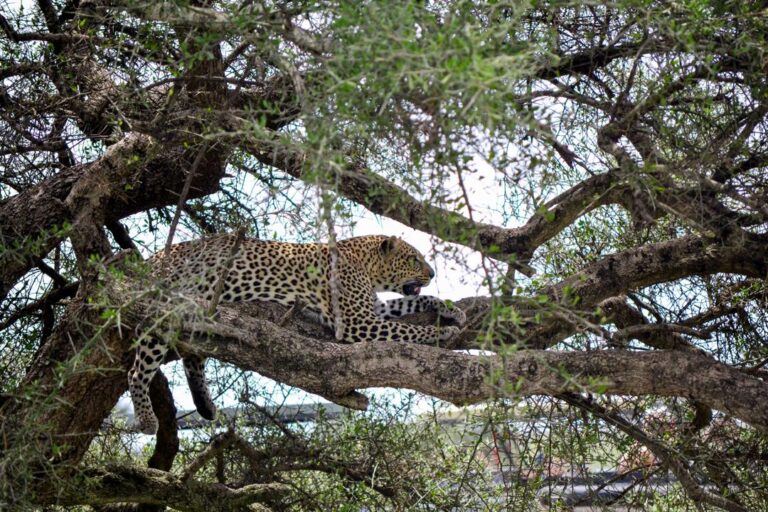
- Lions, cheetahs, and leopards in open savannas
- Elephant herds and giraffes roaming protected reserves
- Hippos and crocodiles along riverbanks
- Rich birdlife with over 1,000 species
Unlike some destinations, Kenya’s wildlife density remains high even outside peak migration months.
Where You Stay Matters
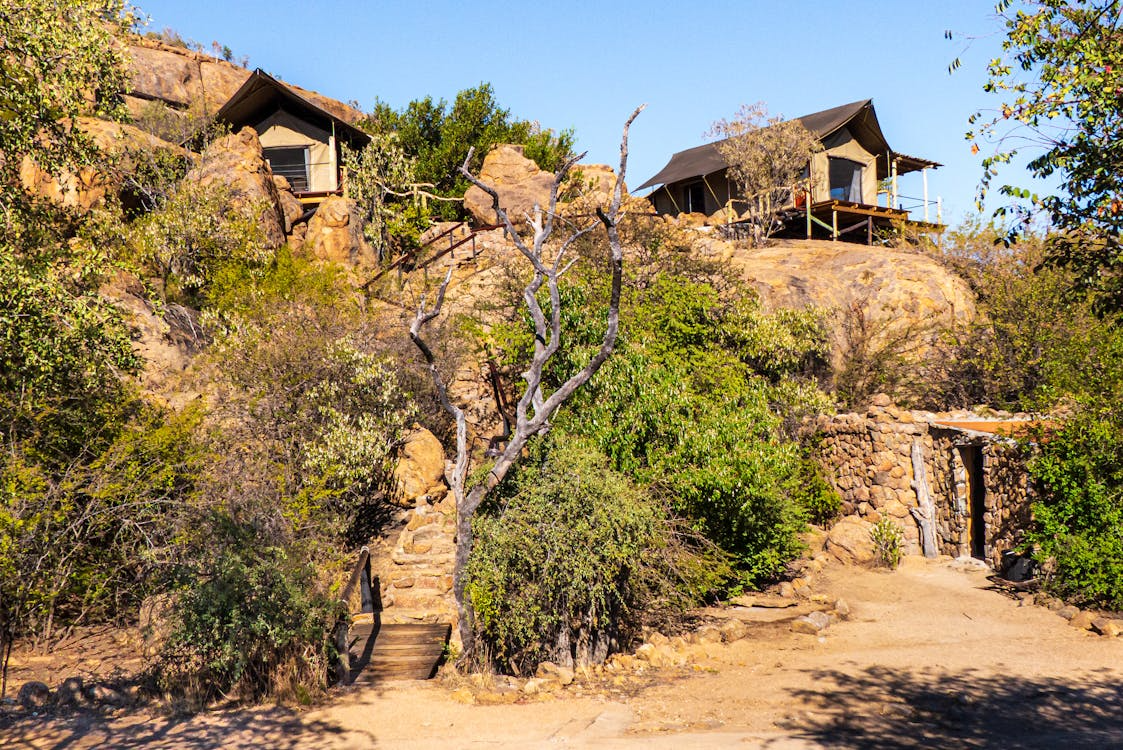
Your safari experience is shaped not only by timing but also by accommodation choice. Staying in private conservancies or premium lodges offers:
- Fewer vehicles at sightings
- Flexible game drive schedules
- Night safaris and walking experiences
- Personalized service
This level of comfort is ideal for travelers who may also be considering a honeymoon safari in Tanzania, a honeymoon safari tour, or a Zanzibar beach and safari tour package as part of a broader African itinerary.
Practical Tips for Visiting Kenya on Safari
- Book early for travel between July and September
- Pack neutral clothing for wildlife viewing
- Bring binoculars and a quality camera
- Work with local safari experts for logistics and permits
Expert planning ensures smooth connections, knowledgeable guides, and access to the best wildlife regions at the right time.
Final Thoughts: When Should You Visit Kenya?
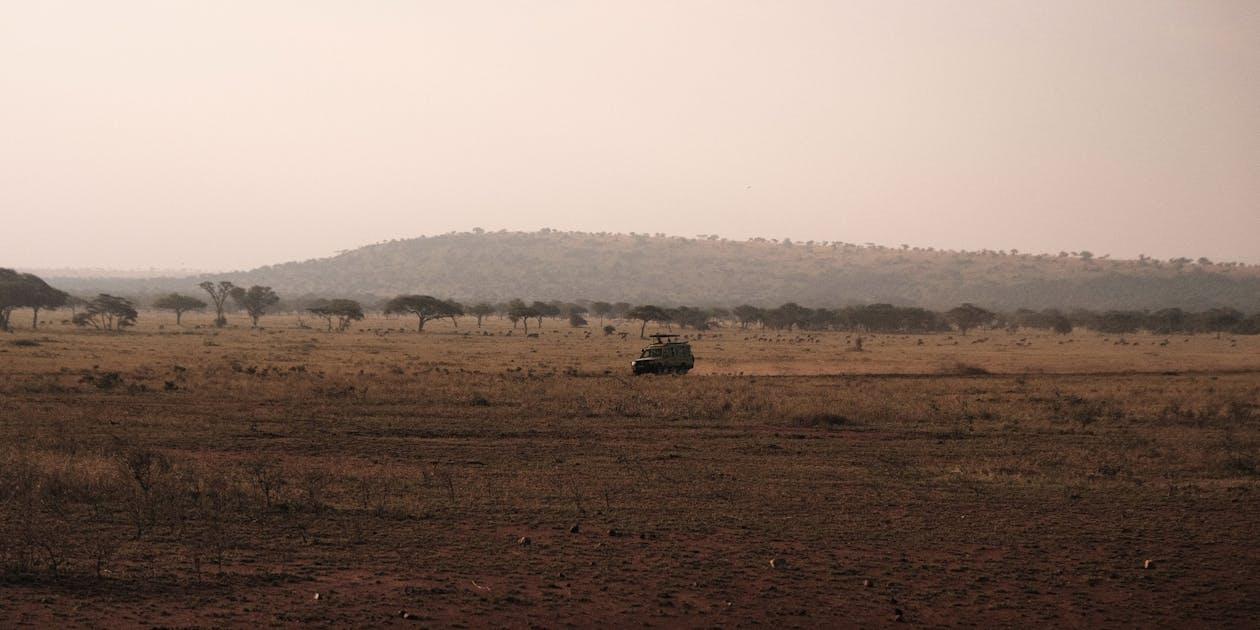
There is no single “wrong” time to visit Kenya, only the right time based on your goals. Whether you want to witness dramatic river crossings, enjoy peaceful luxury lodges, or combine Kenya with adventure and trekking experiences across Africa, timing your safari carefully makes all the difference.
Plan Your Kenya Safari with Confidence
If you’re ready to visit Kenya and experience one of Africa’s most rewarding safari destinations, expert guidance can turn a good trip into an unforgettable one.
Contact Nakuja Expeditions today to design a customized Kenya safari, perfectly timed for wildlife viewing and seamlessly combined with luxury safaris, gorilla trekking, or adventure extensions across Africa.